



How Hot Am I? Understanding AI Hotness Tests and Boosting Your Attractiveness
An AI hotness test estimates how physically attractive you look by analyzing your facial features and comparing them to patterns from human ratings. It typically outputs a hotness score (often on a 1–10 scale) or classifies your appearance as "hot" or "not," similar to a broader attractiveness test. In reality, there is no universally accepted hotness scale — perceptions of attractiveness vary across cultures and individuals — yet research shows that certain traits such as symmetry, facial proportions, and clear skin consistently influence how attractive we appear (source: Facial attractiveness: evolutionary and cognitive perspectives). AI scores are best seen as playful approximations rather than definitive judgments.
If you’re curious about your looks and want practical advice, online tests can feel impersonal. Many people start by asking how attractive am I or trying a quick quiz like am I pretty, but those tools rarely explain what actually drives the score. Maxxing offers a personalised assessment that identifies your specific strengths and weaknesses (face, skin, body, hair, style and confidence) and builds a step‑by‑step glow‑up plan. You can try Maxxing to see which changes will have the biggest impact on your appearance.
People also often confuse a hotness score with a full beauty test, but these tools answer slightly different questions about first impressions.
How Hotness Tests Work
Most AI hotness tests follow a simple three‑step process:
Upload a clear, frontal photo
The algorithms need a well‑lit, high‑resolution headshot with your face centered and no heavy makeup or filters. Tips often include avoiding glasses or hats and removing shadows — the same constraints used in a rate my photo evaluation.Facial analysis and scoring
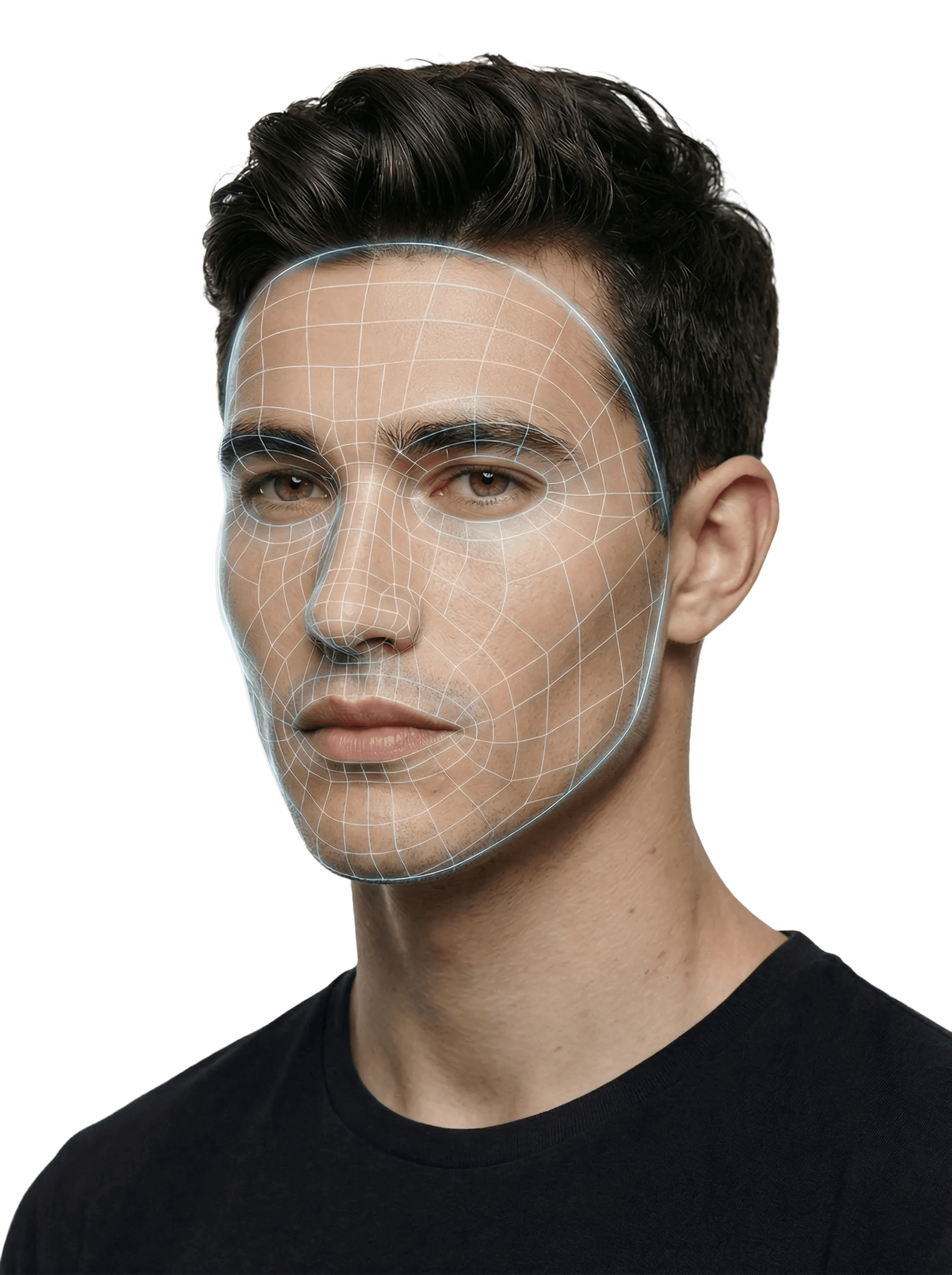
The AI detects key landmarks (eyes, nose, mouth, jawline) and measures symmetry, averageness and proportions. It may also estimate features such as skin smoothness, eye size, eyebrow angle and facial adiposity. Algorithms compare these measurements with data from large sets of human‑rated photos using techniques similar to an AI face analysis (source: The evolutionary psychology of facial beauty).Results and feedback
Tests often present a hotness score alongside playful descriptors, but rarely explain why you received that number. More detailed tools behave closer to a rate my face or rate me analysis rather than a novelty quiz.
Are AI Hotness Scores Accurate?
AI models learn from data sets of human ratings. Research shows people across cultures generally agree on which faces are more attractive, allowing algorithms to approximate collective preferences (source: Why are average faces attractive?).
However, most training datasets skew toward certain age ranges, ethnicities and genders. The Dutch art project How Normal Am I demonstrated that pre‑trained AI models may misjudge people from under‑represented groups. AI scores should therefore be treated as reflections of training data, not absolute truth.
Factors That Influence Your Hotness Score
Symmetry and Averageness
Symmetry refers to how closely the left and right sides of your face mirror each other. Evolutionary psychology suggests symmetry signals developmental stability, making symmetric faces attractive across cultures (source: Facial symmetry and the perception of beauty). Learn how symmetry is measured in our beauty symmetry test.
Faces that resemble population averages are also rated more attractive, which explains why many scores cluster around a mid‑range pretty scale.
Jawline and Facial Structure
Research on facial masculinity and femininity shows jawbone prominence strongly influences attractiveness; masculinised jawlines are generally preferred for men, while softer contours are preferred for women (source: Effects of sexual dimorphism on facial attractiveness). This is why jaw definition often receives a dedicated jawline rating.
Skin Quality
Healthy skin is universally attractive. Smooth texture, firm collagen, radiance and even pigmentation signal health and fertility (source: The science and evolutionary perspective of beautiful skin). For a deeper evaluation, our beauty test explores skin analysis in more detail.
Hair and Facial Hair
Hair frames your face and affects perceptions of age and health. Research on virtual hair models shows hairstyle has a stronger influence on attractiveness than hair color (source: The effect of hair style on facial attractiveness perception). For personalised haircut suggestions, try our face shape test.
Body Composition and Facial Adiposity
Although hotness tests focus on the face, body composition affects facial appearance. Research shows lower perceived facial fat increases attractiveness and health ratings (source: Facial adiposity, attractiveness, and health). These relationships are explored further in our attractiveness calculator.
Style and Presentation
Clothing, grooming and posture influence first impressions. Psychological surveys show subtle variations in dress affect how others judge attractiveness and competence (source: Dress is a Fundamental Component of Person Perception). Practical style guidance is covered in our looksmaxxing guide.
Personality and Confidence
AI hotness tests occasionally estimate personality traits, but real attractiveness extends beyond physical features. Confident body language and authentic communication improve perceived appeal. See our what is looksmaxxing article for guidance on developing confidence alongside appearance changes.
Limitations and Ethical Concerns
AI hotness tests face several challenges:
Bias in training data: Models are often trained on young, Western faces, which can disadvantage under‑represented groups.
Privacy risks: Some platforms store or reuse uploaded photos for training.
Mental health impact: Attaching self‑worth to a numeric score can harm self‑esteem.
How to Get a More Accurate AI Score
Take a high‑quality, well‑lit photo with a neutral background.
Face the camera directly with your head level.
Avoid filters, heavy makeup or extreme angles.
Try multiple tools and compare results rather than relying on one score.
How to Improve Your Hotness Score: Evidence‑Based Tips
Reduce Facial Fat and Enhance Definition
Lower facial adiposity increases attractiveness ratings. Sustainable fat loss and resistance training sharpen jawlines. Our how to looksmaxx guide provides a structured roadmap.Improve Skin Health
Consistent skincare, sun protection, sleep and hydration support clearer, healthier skin.Shape Your Hair and Facial Hair
Choose styles that complement your face geometry. For deeper guidance, explore our jawline rating.Frame Your Eyes and Eyebrows
Well‑groomed eyebrows and healthy lashes improve eye emphasis.Refine Lip Proportions and Smile
Balanced lip ratios and a genuine smile increase approachability and attractiveness.Dress to Express and Fit
Well‑fitted clothes and intentional color choices improve first impressions.Develop Confidence and Social Skills
Confidence grows from visible progress, not affirmations.
Conclusion: You Can Influence Your Hotness
An AI hotness score reflects how algorithms interpret your features relative to training data. While symmetry, proportions and skin quality consistently matter, attractiveness remains subjective and culturally influenced. By focusing on controllable improvements — skin, body composition, hair, style and behavior — you can meaningfully improve how others perceive you.
Maxxing’s multi‑domain system prioritizes the changes that matter most for you. If you’re ready to improve how you look and how you’re perceived, start your transformation today.