



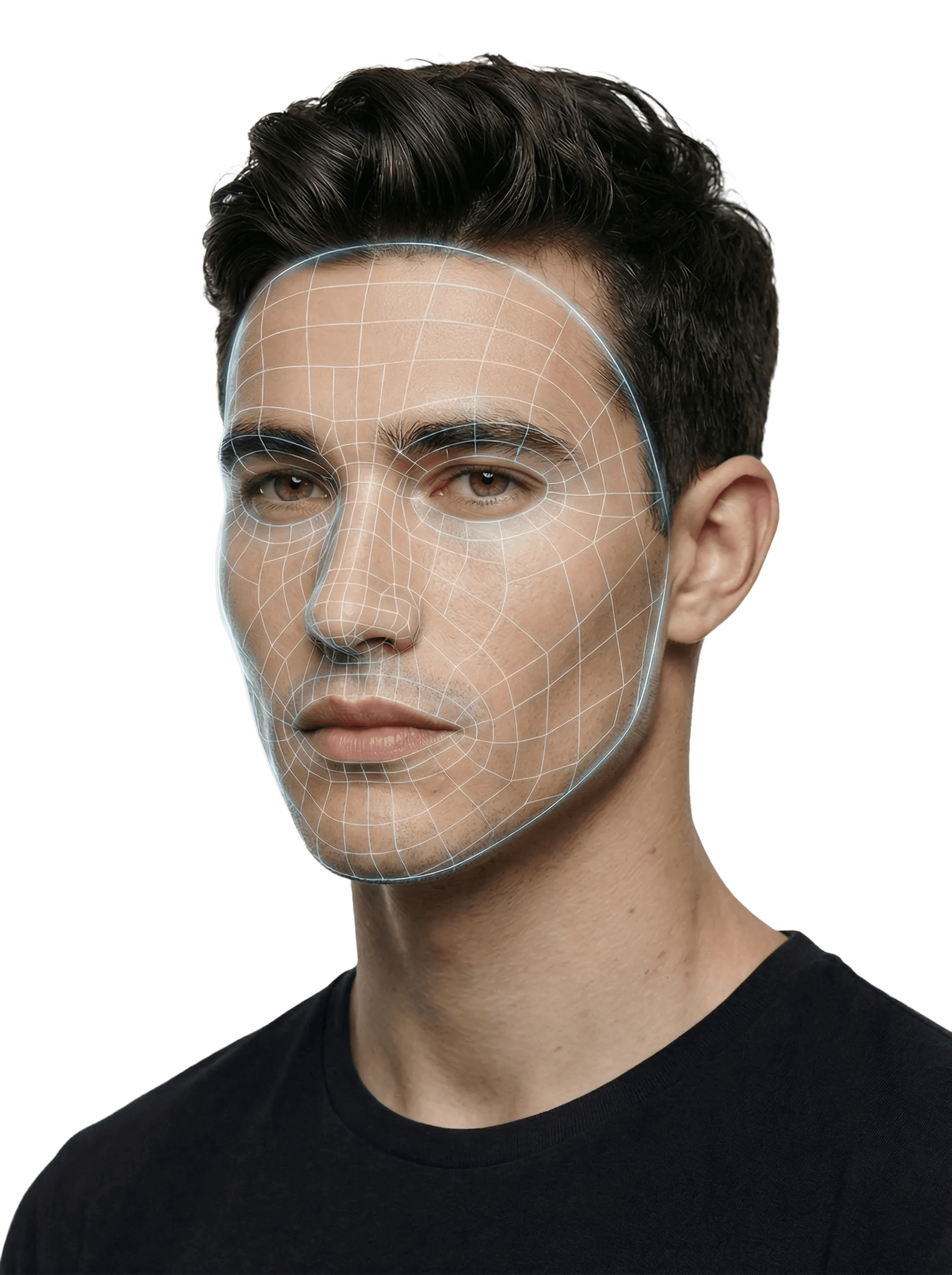
Reddit r/RateMe or AI Rate Me 1-10 Test?
“Rate me,” “rate me 1–10,” “Reddit rate me,” and “AI rate me test” are some of the most emotionally loaded appearance searches online. People ask them because they want clarity: How attractive am I? Am I pretty or ugly? How do strangers actually see my face?
This guide explains exactly what rate‑me scores measure, why Reddit and AI often disagree, how attractiveness ratings translate into real‑world outcomes, and — most importantly — how to turn a number into visible, objective improvement. If you want a neutral baseline instead of guesswork, begin with an attractiveness test, then convert that signal into a personalized glow‑up plan at try Maxxing.
What “Rate Me” Really Measures (Attractiveness, Not Confidence)
A rate‑me score is an estimate of perceived physical attractiveness. It is not personality, confidence, kindness, or potential — it is how your appearance is processed in the first seconds of visual exposure.
People searching how attractive am I or am I good looking are usually trying to understand where they stand on a shared social baseline, similar to what people explore in an am I attractive check. Research consistently shows that humans form stable judgments of faces extremely quickly and that these judgments are more consistent than most people expect, even across cultures.
Perceived attractiveness is driven primarily by:
• facial structure and proportional balance
• skin clarity, tone, and texture
• facial adiposity (face fat versus definition)
• hair quality, style, and face framing
• symmetry and harmony between features
• grooming and cleanliness cues
This explains why people comparing results from an am I attractive check, a rate my face post, and an AI tool often see overlapping feedback.
“Am I Attractive” vs “Am I Pretty” vs “How Hot Am I”
Although these phrases are often used interchangeably, they trigger different internal scoring standards.
People asking am I pretty tend to emphasize facial softness, symmetry, and skin quality, which is why a focused beauty test can surface different strengths and weaknesses. Queries like how hot am I lean more toward sexual signaling, body composition, and presentation, particularly in dating contexts.
Understanding this distinction helps explain why the same person can score differently across tests and why jumping between tools without context increases confusion.
Why Rate Me Scores Feel Inconsistent (Even When Your Face Hasn’t Changed)
One of the most common frustrations with rate‑me results is volatility.
The same person can receive very different ratings due to:
• camera focal length distorting facial proportions
• lighting exaggerating skin texture or eye bags
• facial expression changing jawline and cheek volume
• hairstyle altering perceived facial width
• image compression or resolution loss
This is why repeatedly posting new photos often causes emotional whiplash. You are changing the stimulus, not your underlying appearance. If you want to separate photography effects from actual traits, using a controlled rate my photo approach is far more informative than crowdsourced chaos.
Reddit Rate Me Subreddits: r/rateme, r/truerateme, and Why They Feel So Real
A huge share of “rate me” searches are driven by Reddit. Communities like r/rateme and r/truerateme promise brutal honesty, which makes their feedback feel more credible than random sites or generic quizzes.
Why Reddit ratings feel trustworthy:
• dozens of independent human raters
• visible consensus through upvotes
• commenters explaining scores using traits like skin, jawline, weight, or hair
But Reddit ratings are structurally biased, not objective.
The Hidden Biases in Reddit Rate Me Scores
Selection bias: Commenters are not representative of the general population. They skew heavily looks‑focused and male‑dominant, which shifts scoring norms.
Context collapse: Reddit judges frozen images only. No movement, no voice, no charisma, no presence.
Norm inflation and deflation: Some subreddits intentionally deflate scales so only elite faces score above a 7, while others inflate scores through politeness or attraction.
Score addiction: Repeated posting turns feedback into number‑chasing rather than improvement. Many users cycle endlessly between rate me, rate my picture, and truerateme without progress.
Reddit is useful for surfacing obvious blockers — poor haircut, skin issues, excess facial fat — but it does not help prioritize what actually moves the needle. This is where a structured looksmaxxing framework becomes critical.
AI Rate Me Tests: Consistency Without Context
AI‑based tools attempt to predict how a large population would rate your face by learning visual patterns from datasets.
Strengths:
• consistent scoring logic
• repeatability over time
• useful for before‑and‑after tracking
Limitations:
• sensitive to expression and lighting
• dependent on training data
• weak at evaluating style, grooming, and body cues
This is why pairing an AI score with a deeper AI face analysis produces far more useful insight than a raw number alone.
What Attractiveness Scores Predict in Real Life
Attractiveness ratings correlate with real outcomes — not perfectly, but reliably.
More attractive individuals are consistently judged as:
• more socially competent
• more confident
• more trustworthy
• more desirable dating partners
These effects show up in first impressions, dating apps, and early social interactions, which is why people also explore tools like tinder photo rating and how normal am I to calibrate perception.
Importantly, attractiveness works probabilistically. Improving appearance improves odds, not guarantees.
How to Read a Rate Me Score Without Spiraling
A number without context creates anxiety.
General interpretation patterns:
• lower scores often indicate fixable skin, grooming, or presentation issues
• mid‑range scores hinge on body composition and hairstyle framing
• higher scores stall due to diminishing returns
Instead of obsessing over labels like ugly or attractive, anchor yourself using an attractiveness scale to understand where you likely fall relative to the population.
The Order of Operations That Actually Improves Attractiveness Scores
Attractiveness improvement has leverage points.
1. Skin quality dominates perception
Active acne, redness, or uneven tone suppress ratings more than minor bone structure differences. A face symmetry test often reveals that clear skin outweighs near‑perfect proportions.
2. Body composition reshapes the face
Facial adiposity strongly affects jawline definition and perceived health. Even small changes can move scores meaningfully.
3. Hair frames everything
Choosing the wrong style exaggerates flaws. Guidance based on a face shape test outperforms random experimentation.
4. Style signals intent
Clothing fit and cleanliness raise baseline perception before facial features are even evaluated.
5. Behavior follows appearance
Confidence compounds visible progress; it rarely substitutes for it.
Why Most Rate Me Websites Fail Users
Most platforms stop at the score.
They don’t:
• prioritize issues
• explain tradeoffs
• account for diminishing returns
• connect appearance to outcomes
This leaves users bouncing between rate me, rate my face, and Reddit without clarity.
How Maxxing Turns Ratings Into Results
Maxxing exists to close this gap.
It:
• breaks attractiveness into face, skin, body, hair, and style
• ranks issues by real‑world impact
• clarifies what to fix first
• tracks progress over time
You can anchor your baseline using an attractiveness calculator, then move directly into a prioritized glow‑up plan.
Start here: try Maxxing
Final Takeaway
A rate‑me score is not an identity and not a verdict.
It’s a signal. Used correctly, it reveals leverage. Used obsessively, it becomes noise.
The goal isn’t a higher number. The goal is visible improvement, better reactions, and more ease in dating and social situations.
That’s what Maxxing is built for.