



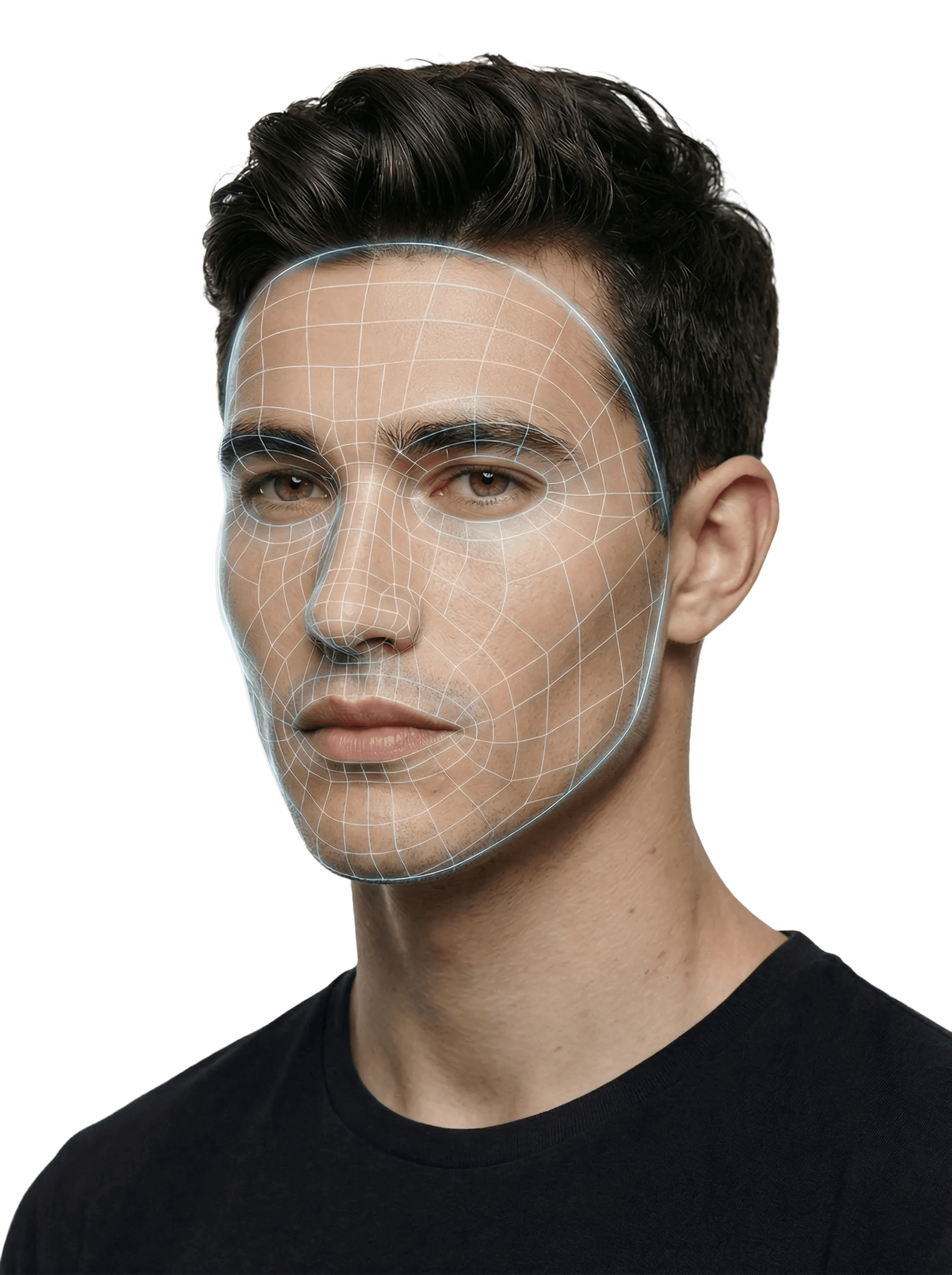
Pretty Scale & Attractiveness Scale: AI Beauty Ratings and How to Improve Yours
If you’ve ever typed pretty scale or attractiveness scale into Google, you’re probably trying to answer a simple question: where do I fall compared to other people? Most beauty scales reduce attractiveness to a 1–10 rating, sometimes labeled as looks rating, beauty scale, or male/female attractiveness scale. While these scores feel objective, they’re actually based on statistical averages and human rating patterns rather than hard rules. In other words, a high score means you match a shared standard — being conventionally attractive — not that you’re attractive in some absolute sense.
Before diving deeper, it’s important to understand that every serious discussion about looks starts with how attractiveness is measured in the first place. That foundation is explained in our attractiveness test guide, which breaks down how modern systems score faces.
What Is the Pretty Scale?
The pretty scale is a visual attractiveness scale designed to rank faces from 1 to 10, where:
1–2 = far below average
3–4 = below average
5 = statistically average
6–7 = above average
8–9 = very attractive
10 = rare, top‑tier attractiveness
This structure mirrors how humans naturally rate faces when surveyed in psychology studies. Researchers commonly ask participants to rate faces on a numerical scale, then average the results to identify patterns (source: Facial attractiveness rating methods in psychology).
Modern AI tools replicate this process at scale by training on hundreds of thousands of rated faces, producing results similar to crowd‑sourced human judgment.
People searching how attractive am I or am I pretty usually aren’t looking for perfection — they want context. That’s why standalone scores often feel empty without explanation. Our am I attractive and am I pretty articles explain how to interpret these numbers realistically.
Where the 1–10 Attractiveness Scale Comes From
The 1–10 attractiveness scale is not arbitrary. It originates from social science research, where rating scales are used to measure subjective perception consistently across large groups. In facial attractiveness research, participants rate faces using numbered scales, which allows statistical analysis of agreement across cultures (source: Cross‑cultural agreement in facial attractiveness). That agreement between raters is the basis of conventional attractiveness, and it’s strong but far from complete.
Over time, researchers noticed that most faces cluster around 4.5–5.5, with very few scoring above 8 or below 2. This distribution is crucial to understanding why high pretty scale scores are rare.
AI-based platforms now apply these same statistical principles through automated AI face analysis, replacing human surveys with neural networks trained to detect the same cues people subconsciously respond to.
What Affects Your Attractiveness Scale Score?
Facial Symmetry
Symmetry strongly correlates with perceived attractiveness because it signals developmental stability. More symmetrical faces are consistently rated higher across different cultures (source: Facial symmetry and attractiveness study).
You can explore your own balance using a beauty symmetry test, which visually explains asymmetries rather than hiding them behind a single number.
Facial Proportions and Structure
Features such as jaw width, cheekbone height and facial ratios heavily influence beauty scale ratings. Masculine jaw structure tends to raise male attractiveness scores, while facial harmony boosts overall appeal (source: Facial masculinity and attractiveness).
If this is an area you’re curious about, our jawline rating breakdown explains how structure impacts perception.
Skin Quality and Texture
Healthy, even‑toned skin signals youth and vitality. Studies show that skin clarity alone can raise perceived attractiveness independent of facial shape (source: Skin health and facial attractiveness).
That’s why most advanced beauty test tools score skin separately rather than bundling it into face shape alone.
Facial Fat and Weight Perception
Facial adiposity directly affects how old and attractive a person looks. Leaner faces tend to score higher in both age perception and beauty ratings (source: Body weight and facial perception research).
This is one reason why attractiveness scores often overlap with how old do I look results, as age and attractiveness share facial indicators.
Is the Pretty Scale Accurate?
Pretty scale tools are directionally accurate but not absolute. They reflect how the average observer might rate you, not universal truth. Biases exist in both AI datasets and human perception, particularly across ethnicity and age groups (source: Algorithmic bias in facial analysis systems).
Projects like how normal am I highlight how models sometimes fail to represent under‑sampled populations, reinforcing the importance of interpretation rather than blind trust.
Pretty Scale vs Other Rating Systems
People often confuse the pretty scale with related tools like:
rate my attractiveness photo rating systems
Dating‑focused metrics like tinder appeal
The difference is intent: a pretty scale ranks relative beauty, while other systems measure dating performance or photo quality.
How to Improve Your Attractiveness Scale Score
Raising your beauty scale rating doesn’t require perfection — it requires prioritization. Most people gain the biggest improvements by addressing a small number of high‑impact factors:
improving skin clarity
reducing facial fat
optimizing haircut and facial hair
improving posture and expression
This systematic approach is known as looksmaxxing, which focuses on measurable gains rather than vague self‑confidence advice. If you’re new to the concept, start with what is looksmaxxing, then follow the step‑by‑step plan in how to looksmaxx.
AI‑assisted tools like lookmax ai make this process clearer by showing how specific changes influence your score instead of guessing.
Why a Single Number Doesn’t Define You
A pretty scale score is useful for diagnosis, not self‑worth. Attractiveness is context‑dependent — lighting, expression, style, age perception, and even ethnicity classification can shift results across tools like facial feature analyzer, face shape test, or ethnicity from face.
If you’re curious how others might perceive you holistically, combining beauty analysis with perspective‑based tools such as what do I look like or chatgpt celebrity look alike can give added insight.
Try a Modern Attractiveness Scale
If you want more than a raw number, Maxxing connects facial analysis, attractiveness scoring, age perception and improvement planning into a single system. Instead of guessing where you stand, you’ll see why you scored the way you did and what would move the number.
Start with the analysis and see your full breakdown — then decide what to improve and what to ignore.