



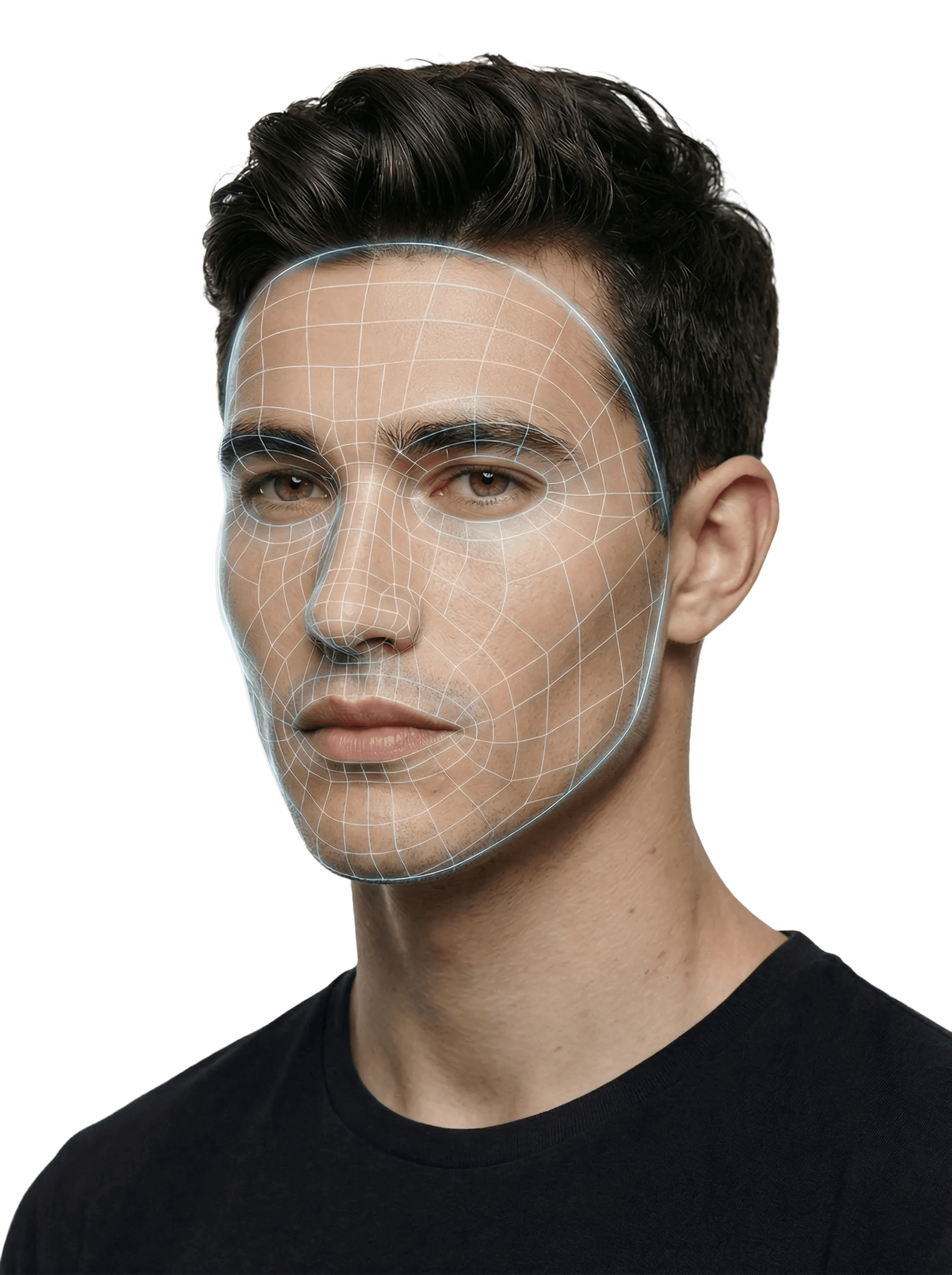
How Normal Am I? What “Normal” Means for Your Looks — and What to Do About It
If you’ve searched how normal am I, you’re not really asking a statistics question. You’re asking something much more human:
Do I look weird compared to other people?
Am I noticeably below average?
Is something about my face holding me back socially or in dating?
A lot of online quizzes and AI tools try to answer this with a single label — normal or not normal. That rarely feels satisfying, because it doesn’t explain what’s actually going on or what to fix first.
A better place to start is understanding how “normal” is judged in real life and how to turn that curiosity into real improvement. That’s exactly what the attractiveness test is designed for — not just rating you, but showing what actually moves the needle.
What Does “Normal” Mean When It Comes to Looks?
In everyday terms, normal just means close to the average appearance people see every day. It does not mean unattractive, bad-looking, or forgettable. In fact, many faces that people find attractive are technically very close to the average.
Psychology research shows that people across cultures tend to prefer faces that are familiar and balanced rather than extreme or unusual (source: Cross-cultural agreement in facial attractiveness).
So if an AI test says you look “normal,” it usually means:
Your facial proportions are statistically common
There are no extreme or unusual features standing out
You blend into the general population visually
That’s neutral information — not a verdict.
If you want to understand where you stand beyond “normal,” tools like how attractive am I and am I pretty add important context.
Why “Normal” Often Feels Unsatisfying
People rarely search how normal am I because they want validation that they’re average. They search it because something feels off.
Common reasons include:
Looking tired, older, or dull compared to peers
Feeling invisible in dating or social settings
Getting worse reactions than friends with similar age or background
Obsessing over a specific feature without knowing if it matters
A “normal” label doesn’t answer why any of that is happening.
This is why curiosity often shifts from normality to questions like how hot am I or where someone falls on an attractiveness scale.
The Real Question Behind “How Normal Am I?”
Almost every user asking this is actually asking one of two things:
Is there something noticeably wrong with my appearance?
If so, what’s the fastest way to improve it?
The reassuring part: most people are not “abnormal.” What they have are fixable presentation and health signals — not structural flaws.
Research shows that changes in skin clarity, facial fat, grooming, and expression can dramatically shift how average or “normal” someone looks (source: Skin health and facial attractiveness).
This is why surface-level scoring tools fall short, while systems focused on diagnosis actually help.
Why Maxxing Feels More Satisfying Than a Normal Test
Maxxing does not answer “Are you normal?” It answers a much better question:
What’s holding your look back the most right now — and what should you fix first?
Instead of a vague label, you get clarity across the areas that matter:
Face structure and balance
Skin quality and fatigue signals
Facial fat and age perception
Hair, grooming, and framing choices
Style mistakes that lower attractiveness
This transforms confusion into direction. That’s why people often come to Maxxing after trying quizzes like how normal am I and feeling stuck.
If you want to see how different traits affect perception together, combining analysis with AI face analysis gives a much fuller picture.
Average vs Attractive: The Distinction Most Tests Miss
Being average-looking does not prevent attraction. What usually does is:
Poor skin health
High facial fat or puffiness
Unflattering hair or facial hair
Sloppy or mismatched style
Low energy or closed body language
Studies show that facial adiposity alone has a strong effect on perceived health and attractiveness, even when underlying structure is unchanged (source: Body weight and facial perception research).
This is why improvements often start with lifestyle and grooming — not surgery or extreme measures.
To see how your face is likely perceived as a whole, tools like rate my attractiveness or rate my face can complement a normality check.
What Actually Moves You From “Normal” to Noticeably Better
If your goal is to feel confident rather than analyzed, focus on high-impact changes:
1. Fix Skin and Fatigue Signals
Clear skin and rested eyes signal health and youth immediately (source: Facial cues to perceived age). This alone can shift perception more than changing facial features.
2. Improve Facial Definition
Reducing facial fat and puffiness improves jawline visibility and cheekbone structure, raising attractiveness ratings even with the same genetics.
If this is a concern, compare results from jawline rating or perceived age tools like how old do I look.
3. Fix Hair and Framing
Haircuts and facial hair determine how your face is framed. The wrong choice can make an average face look worse; the right one can make it stand out.
Use face shape test to stop guessing.
4. Clean Up Style and Presence
Well-fitted clothes, posture, and simple grooming can dramatically improve how “normal” or “put together” someone appears.
This structured approach is the core of looksmaxxing. If you’re new, start with what is looksmaxxing or the step-by-step how to looksmaxx guide.
Reassurance: Most People Are One Glow‑Up Away From Feeling Normal
Feeling “not normal” rarely means something is wrong with you. It usually means:
You’re comparing yourself without understanding priorities
You’re focusing on low-impact flaws
You haven’t addressed the obvious, fixable issues yet
Once those are handled, confidence and social response follow naturally.
If you want an honest breakdown instead of a vague label, start with Maxxing’s analysis and turn uncertainty into a plan.
Start your attractiveness test
Sources Used
All factual claims in this article are supported by peer‑reviewed research and official reports:
(source: Skin health and facial attractiveness)
(source: Facial cues to perceived age)