
How Old Do I Look? Understanding AI Age Guessers and How to Appear Younger
An AI age guesser estimates how old you appear by scanning a photo of your face and comparing it to patterns derived from thousands of human‑rated images. These tools usually return a numerical age or a short description such as “you look 24.” Although they may feel magical, no algorithm can know your chronological age from a photo. Perceived age depends on a mixture of factors – genetics, lifestyle, skin health, facial structure, hair colour and contrast – and it varies across individuals and cultures. Research shows that certain cues, such as wrinkles, skin tone, hair colour and overall facial contrast, consistently influence how old we look (source: Facial contrast is a cross‑cultural cue for perceiving age). AI estimates are best viewed as playful approximations, not definitive assessments of your youthfulness.
Unlike an attractiveness test, which evaluates how appealing your features are relative to others, age‑guessing tools focus solely on your perceived age.
If you want more personalised feedback on your appearance, AI tests can feel impersonal or inaccurate. Maxxing goes beyond a simple “guess my age” result by analysing your face, skin, body, hair, style and confidence to produce a step‑by‑step glow‑up plan. You can try Maxxing to see which improvements will have the biggest impact on your perceived age and attractiveness. Throughout this guide we’ll unpack the science of age perception, explain how AI age guessers work, highlight their limitations and ethical concerns, and provide evidence‑based tips for looking younger.
How AI Age Tests Work
Most online age‑guessing tools follow a three‑step process:
Upload a clear, frontal photo. The algorithms require a well‑lit, high‑resolution image with your face centred and no obstructions like glasses or hats. Good lighting helps the model detect skin texture, wrinkle depth and colour contrast accurately.
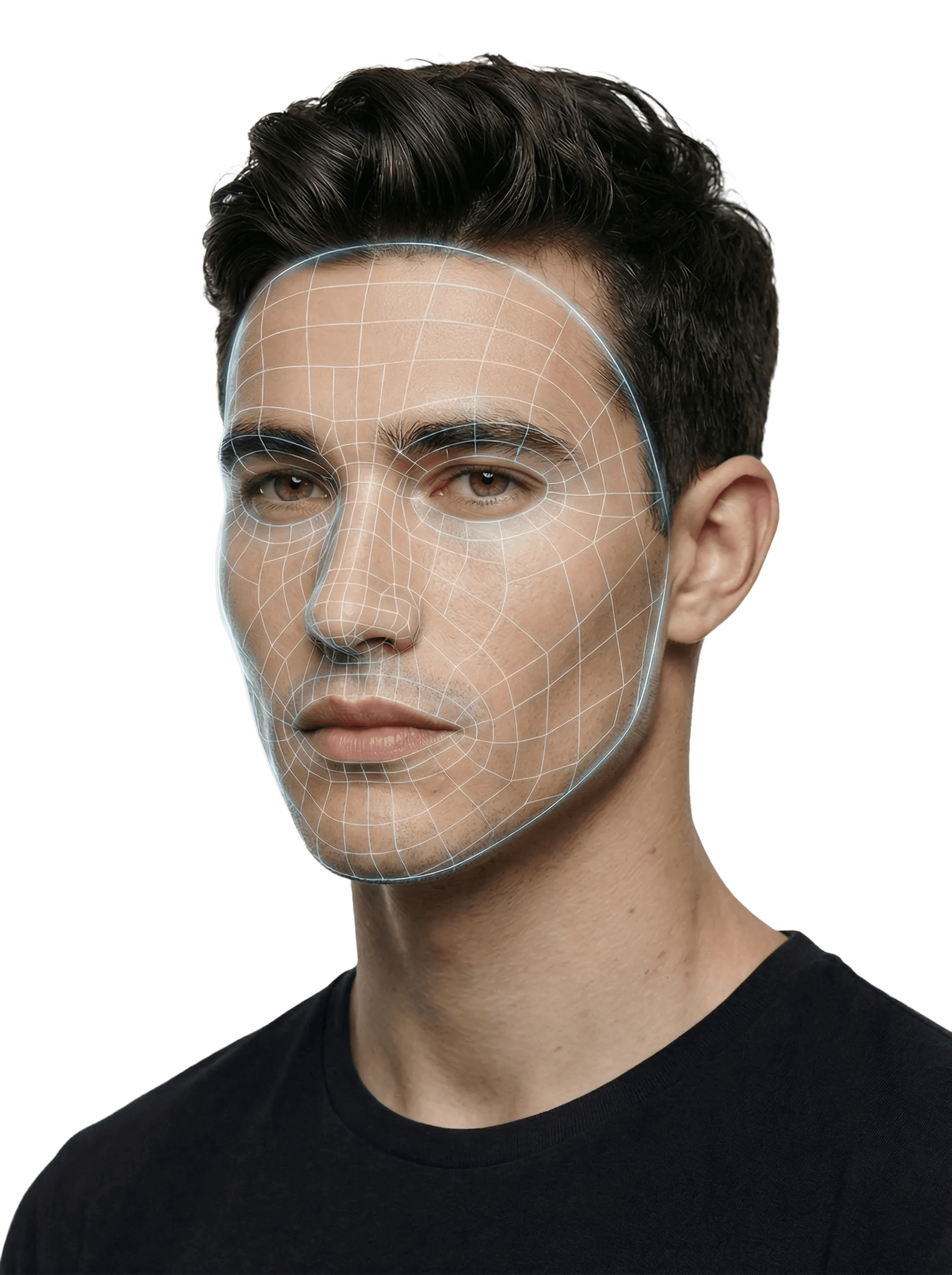
Facial analysis and age estimation. The AI locates key landmarks (eyes, nose, mouth, jawline) and measures features associated with age: wrinkle patterns, skin tone, facial contrast, eye area and hair colour. The model then compares your measurements with a database of photos labelled with ages to calculate a likely age range. Some tools also estimate your attractiveness, facial symmetry or gender by using methods similar to those in an AI face analysis or rate my attractiveness tool.
Result presentation. After processing, the site returns your estimated age. Some services offer additional commentary on why you might look younger or older than your actual age (for example, mentioning smooth skin or prominent wrinkles). Others provide playful descriptors rather than an explanation. Remember that these tests are for entertainment; they are not replacements for dermatological advice.
Are AI Age Estimates Accurate?
Age detection algorithms learn from sets of labelled facial images. Studies find strong cross‑cultural agreement on certain cues to youthfulness: facial contrast (the colour and luminance difference between features like eyes, lips and eyebrows and the surrounding skin) tends to decrease with age. Research across Chinese, Latin American, South African and Caucasian women shows that increasing facial contrast makes faces appear younger while decreasing contrast makes them look older (source: Facial contrast is a cross‑cultural cue for perceiving age). This effect holds across different cultures and suggests that cosmetics or lighting that increase contrast can reduce perceived age (source: Facial contrast is a cross‑cultural cue for perceiving age).
Nonetheless, AI models inherit biases from their training data. The widely discussed how normal am I project illustrates how pre‑trained models can misjudge people from under‑represented groups. Databases often overrepresent young Western faces, so age guessers may be less accurate for older adults, people of colour or anyone with atypical features. Treat the outputs as reflections of the data rather than absolute truths.
Factors That Influence Perceived Age
Wrinkles and Sagging
Wrinkles and sagging skin are among the strongest cues to age. A study of Chinese women found that more than 80 % of evaluators identified wrinkles and sagging as the most significant features for estimating age, with the mid‑face and forehead being key areas (source: Facial skin aging characteristics of the old‑perceived age in Chinese women). In women aged 31–40, higher scores of crow’s feet and glabellar frown lines were associated with an older perceived age (source: Facial skin aging characteristics of the old‑perceived age in Chinese women). These findings support everyday observations that deep facial lines, especially around the eyes and mouth, signal aging.
Another cross‑cultural study measured wrinkles around the eyes (under‑eye bags and crow’s feet) across five ethnic groups and showed that greater wrinkle density correlates strongly with higher perceived age, while simultaneously decreasing perceived health and attractiveness (source: Wrinkles around the eyes are the primary driver of age perception across five ethnic groups). Taken together, these studies confirm that smoothing wrinkles – through skincare, lifestyle changes or medical treatments – can significantly affect how old you look.
Skin Tone, Texture and Facial Contrast
Youthful skin tends to be bright, even in colour, and free of hyper‑pigmentation. Researchers have observed that skin texture and colour homogeneity are good predictors of perceived age in both Caucasian and Chinese faces (source: Facial contrast is a cross‑cultural cue for perceiving age). Wrinkles and sagging are important, but pigmentation and uneven tone also contribute to looking older (source: Facial skin aging characteristics of the old‑perceived age in Chinese women). In younger women (aged 20–30), those perceived as older had lower brightness (L*) on their forehead and cheeks, higher redness (a*), and more pigmentation spots than their peers (source: Facial skin aging characteristics of the old‑perceived age in Chinese women). In older groups (31–40), higher redness, greater stain density and larger pores in the mid‑face were linked to an older appearance (source: Facial skin aging characteristics of the old‑perceived age in Chinese women).
Facial contrast—the difference in luminance and colour between features and surrounding skin—decreases with age (source: Facial contrast is a cross‑cultural cue for perceiving age). Increasing the contrast (for instance by darkening the eyebrows, enhancing lip colour or brightening the skin around the eyes) makes faces look younger across different races (source: Facial contrast is a cross‑cultural cue for perceiving age). Cosmetics such as mascara, eyeliner, blush and highlighter can subtly boost facial contrast and create a more youthful impression. For a deeper evaluation of your skin’s condition and attractiveness, try our beauty test.
Eye Area and Periorbital Features
The eyes are the first region to show signs of aging because the skin around them is thin and subjected to constant movement. A large cross‑cultural study found that wrinkles under the eyes and at the outer corners (crow’s feet) were the primary drivers of age perception across diverse ethnic groups (source: Wrinkles around the eyes are the primary driver of age perception across five ethnic groups). More wrinkles and deeper lines increased perceived age and decreased both health and attractiveness ratings.
Eye brightness and sclera colour also change with age. As we age, the sclera (the white of the eye) can yellow slightly, and eyelids may droop. Maintaining eye health, using moisturising eye creams and wearing sunglasses to protect against UV damage can minimise these changes. Lash serums and shaping the eyebrows can draw attention to your eyes and enhance facial contrast.
Hair Colour and Style
Hair frames the face and provides strong cues to age. Gray hair is a visible sign of biological aging. An experimental study that manipulated hair colour on images of male and female faces found that faces with gray hair were perceived as older and less attractive (source: Gray hair influences perceived age and social perceptions). Male participants also rated gray‑haired faces as less trustworthy (source: Gray hair influences perceived age and social perceptions). The study concluded that gray hair independently influences perceptions of age, attractiveness and trustworthiness (source: Gray hair influences perceived age and social perceptions).
Hair style also matters. A separate line of research on virtual hair models (see our discussion in the looksmaxxing guide) shows that straight, shiny hair is judged as younger and healthier than dull or frizzy hair. For women, medium‑length or long hair tends to be perceived as more youthful, while men benefit from well‑groomed hair and facial hair that balances facial proportions.
Facial Shape and Body Composition
Facial shape changes subtly with age. Loss of facial fat and collagen leads to hollow cheeks and sagging jawlines, while weight gain can make the face appear rounder and older. AI age tests detect these changes to estimate age. Maintaining a healthy body composition through balanced nutrition and regular exercise can keep facial features defined and youthful. For more on how body composition affects your face, see our attractiveness calculator article.
Hairline and Makeup
Hairlines often recede with age, especially in men. Choosing a hairstyle that conceals recession (e.g., longer fringe or textured cut) can reduce perceived age. Women can experiment with bangs or layers to frame the face. Makeup techniques—such as contouring, highlighting, and using a lighter concealer around the eyes—can lift and brighten facial features.
Lifestyle Factors
Sleep, hydration, diet and sun exposure all affect skin aging. Chronic sleep deprivation and stress elevate cortisol, contributing to collagen breakdown and inflammation. Smoking and excessive alcohol intake accelerate wrinkle formation by reducing blood flow and damaging collagen. Protecting your skin with SPF and antioxidants slows photoaging and prevents hyper‑pigmentation. These lifestyle choices are under your control and have a major impact on perceived age.
Ethical Considerations and Limitations
Age‑guessing apps raise concerns about privacy and bias. Many services store your photos or use them for training without explicit consent. Always read the privacy policies before uploading images. Since datasets skew toward certain demographics, AI may misinterpret under‑represented faces. For example, algorithms might guess older ages for people with darker skin if the training data lacked diversity. Additionally, focusing on perceived age can harm self‑esteem; it’s easy to tie self‑worth to a number. Use these tools as curiosities, not authorities.
How to Get a More Accurate AI Age Result
To maximise the accuracy of your AI age test:
Take a high‑quality, well‑lit photo. Use natural lighting or a ring light. Avoid harsh shadows, filters or makeup that obscure your natural features. You can also test your photo quality with our rate my photo tool.
Face the camera directly. Align your head level and look straight at the lens. Remove glasses and hats.
Frame your face properly. Include your entire head and chin. Don’t crop parts of your face or use overly stylised angles.
Use multiple tests. Because algorithms vary, try several tools to see if your results are consistent. Consider using a face age test or age detector to compare estimates.
Evidence‑Based Tips to Look Younger
Improving your appearance isn’t about chasing unrealistic beauty standards. Focus on modifiable factors that influence perceived age and wellbeing. Here are science‑backed strategies:
1. Protect and Rejuvenate Your Skin
Use sunscreen daily. UV radiation accelerates photoaging, causing wrinkles, sagging and pigmentation. Apply a broad‑spectrum SPF 30+ every morning.
Establish a skincare routine. Cleanse gently, moisturise with ingredients like hyaluronic acid and ceramides, and exfoliate with mild acids to promote cell turnover. Incorporate retinoids or vitamin C serums to reduce fine lines and hyper‑pigmentation.
Prioritise sleep and hydration. Adequate sleep helps repair skin, while water maintains elasticity.
Address wrinkles early. Consider targeted treatments like retinoids, peptides, micro‑needling or professional procedures if desired. For deeper lines, consult a dermatologist about options like fillers or laser resurfacing.
2. Maintain Facial Contrast
Use cosmetics strategically to enhance youthfulness. Darken your eyebrows slightly, brighten the under‑eye area and lips, and add colour to cheeks. Increasing contrast around facial features has been shown to make faces look younger across cultures (source: Facial contrast is a cross‑cultural cue for perceiving age). Choose shades that complement your skin tone; for example, a soft rosy blush for light skin or a deeper peach for medium to dark skin.
3. Manage Hair Colour and Style
Cover or blend gray hair if desired. Gray hair independently increases perceived age and reduces attractiveness (source: Gray hair influences perceived age and social perceptions). Regular salon visits or at‑home colour kits can maintain your natural shade. Alternatively, embrace gray hair stylishly with a modern cut.
Choose hairstyles that flatter your face. Face shape influences how cuts look; for guidance, see our face shape test. Volume and texture can soften features and reduce the appearance of aging.
4. Keep Facial Muscles and Body Fit
Exercise regularly. Strength training and cardiovascular activity improve circulation, muscle tone and overall health. A balanced diet rich in lean protein, fruits and vegetables supports skin and hair.
Maintain a healthy weight. Extreme weight loss can lead to sagging skin, while excess weight can round the face. Aim for a balanced body composition that supports facial structure.
5. Optimise Lifestyle
Reduce stress. Chronic stress accelerates aging through hormonal pathways. Practice relaxation techniques like meditation, yoga or deep breathing.
Avoid smoking and excessive alcohol. Smoking restricts blood flow and damages collagen, leading to wrinkles. Alcohol dehydrates the skin and promotes inflammation.
Get enough sleep. Aim for seven to nine hours nightly to allow your body to regenerate and repair.
6. Brighten Your Smile and Eyes
Practice good oral hygiene. White, healthy teeth and full lips contribute to a youthful appearance. A study on lip aesthetics found that a balanced 1:1.6 ratio between the upper and lower lip is considered attractive among young adults (source: The ideal lips: Structural basis for aesthetic analysis).
Enhance eye brightness. Use eye drops for dryness, consider caffeine eye creams to reduce puffiness and make sure to hydrate. Eyebrow grooming (shaping, tinting) and lash enhancement (serums, mascara) draw attention to the eyes.
7. Update Your Wardrobe
Well‑fitted, modern clothing influences first impressions. Dark colours can convey sophistication but sometimes emphasise shadows; lighter hues and pops of colour brighten your complexion. Clothing that harmonises with your age and style projects confidence. For ideas on refining your look, see our what do I look like guide.
Conclusion: Age Is More Than a Number
An AI age test offers a fun way to see how algorithms interpret your appearance, but it can’t replace the nuanced human perception of age. Wrinkles, skin tone, facial contrast, hair colour and lifestyle choices all play roles in how old you appear. Research shows that increasing facial contrast, maintaining even skin tone and reducing wrinkles can make you look younger (source: Facial contrast is a cross‑cultural cue for perceiving age) (source: Facial skin aging characteristics of the old‑perceived age in Chinese women). Gray hair and sagging features independently raise perceived age (source: Gray hair influences perceived age and social perceptions), while healthy lifestyle habits and hair styling choices can counteract these effects.
Maxxing’s multi‑domain system simplifies the journey to a younger, more attractive appearance. By analysing your unique traits and prioritising high‑impact changes, it offers a personalised roadmap to looking and feeling your best. Whether you’re exploring an age detector for fun or seriously aiming to reduce your perceived age, focus on what you can control—skincare, haircare, fitness, and style—and let the numbers be a guide, not a verdict.