



Rate My Photo: Attractiveness Ratings & Photo Perception
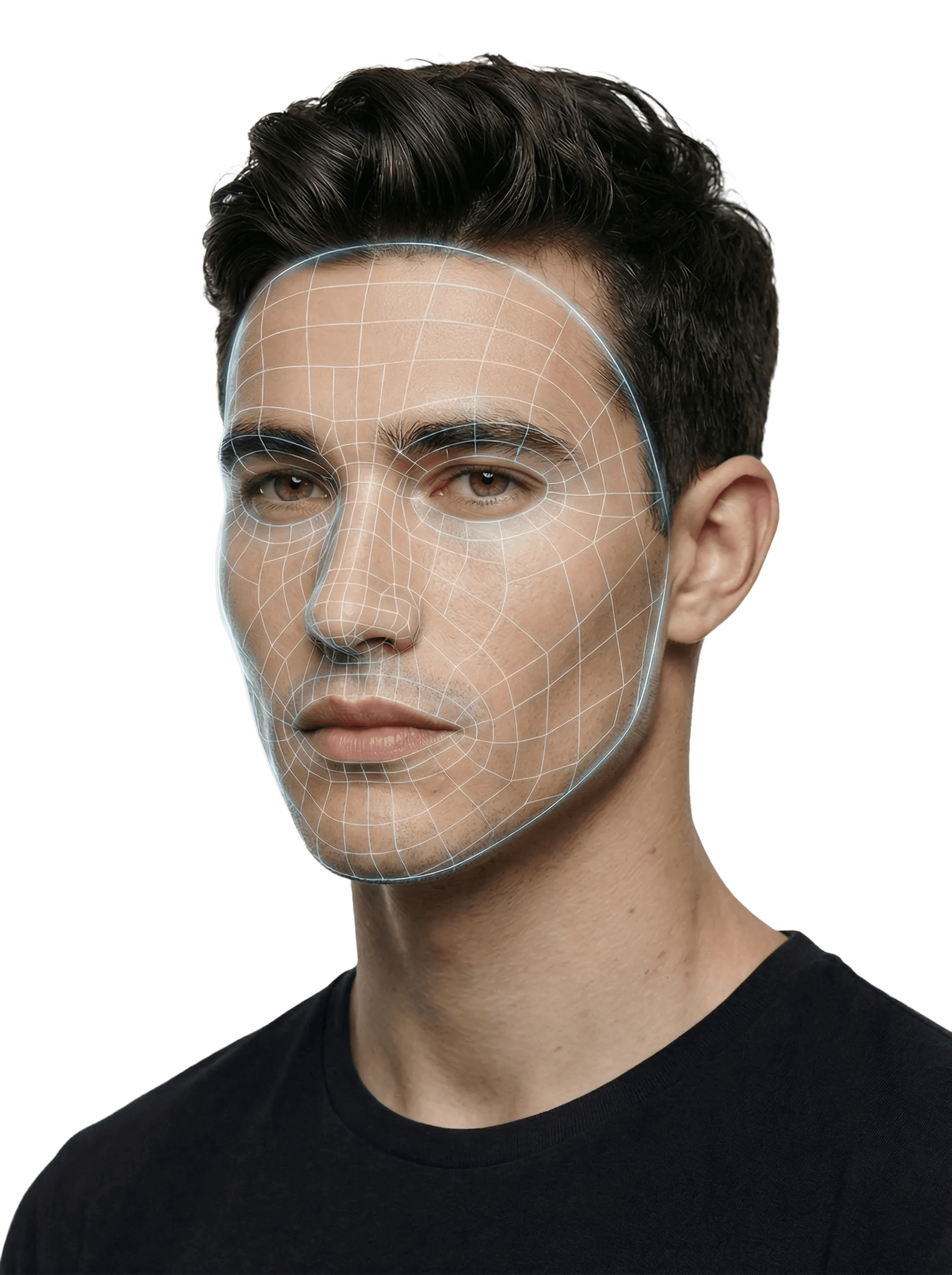
“Rate my photo” means evaluating how attractive you appear in a specific image — not judging your worth, personality, or long-term potential. A photo-based attractiveness rating reflects how strangers perceive you in a single visual moment. It captures visible signals such as facial structure, skin clarity, symmetry, expression, grooming, posture, and overall presentation within that frame.
If you want feedback that goes beyond a number and actually explains why a photo reads the way it does — and what to change first — you can start with a personalized analysis here: Try Maxxing.
What “Rate My Attractiveness” Really Measures
When people search rate my attractiveness, rate my looks, or rate my face, they are almost always trying to answer one question:
“How am I being perceived by people who do not know me?”
A photo-based rating measures perceived attractiveness, which is shaped by:
Immediate facial impressions
Visual clarity of key features
Apparent health and vitality
Grooming and presentation choices
Emotional neutrality or approachability
Humans form these judgments extremely quickly — often within a fraction of a second — based on facial and visual cues (source: Rapid facial impression formation). This is why photo ratings feel harsh but also why they matter for social and dating contexts.
Rate My Photo vs Rate My Face: The Critical Difference
These searches are related but not interchangeable.
Rate my face focuses on underlying traits:
Facial proportions
Symmetry
Jawline definition
Nose–eye–mouth balance
Baseline skin quality
Rate my photo includes everything above plus:
Lighting and shadow placement
Camera angle and lens distortion
Facial expression and tension
Hair and facial hair framing
Clothing, background, and posture
A strong face can score poorly in a bad photo. An average face can score higher with good presentation. This is why many users move from simple rate my face searches into deeper tools like ai face analysis to separate structure from presentation.
Why “Rate My Looks 1–10” Is Not Enough
The appeal of a rate my looks 1–10 score is simplicity. The problem is that a single number hides the cause.
Two people with the same score may have completely different issues:
One might suffer from poor lighting and angles
Another from excess facial fat or skin issues
Another from weak grooming or awkward expression
A useful system treats ratings as diagnostic signals — closer to an attractiveness calculator than a verdict. The number only matters if it is tied to explanation and direction.
Photo Ratings vs Real-Life Attractiveness
A photo rating does not equal real-life attractiveness.
Photos:
Flatten depth and bone structure
Exaggerate skin texture
Distort proportions depending on lens
Freeze expressions unnaturally
This is why many people who receive low scores immediately search how attractive am I really or how hot am I — they sense a mismatch between lived experience and digital feedback. The correct mindset is to treat photo ratings as presentation audits, not identity judgments.
Why People Ask “Rate My Dating Profile”
A large portion of rate my photo searches are dating-driven.
Dating apps rely on images first. Bio and personality only matter after interest is established. This is why photo ratings directly affect swipe outcomes and why they intersect with tinder appeal analysis rather than general beauty scoring.
Common Biases in “Rate My Picture” Feedback
Unstructured feedback often fails because of:
Small or unbalanced sample sizes
Extreme opinions dominating discussion
Cultural bias and trend chasing
Overfocus on minor, low-impact flaws
Harsh communities create anxiety without clarity. Overly supportive ones inflate confidence without results. Structured analysis exists to avoid both extremes.
What Consistently Raises a Photo Rating
Across cultures and contexts, higher-rated photos tend to share similar signals:
Even skin tone and clear complexion
Healthy body composition reflected in the face
Relaxed, neutral facial expression
Balanced framing of facial features
Clean, intentional grooming
Visible health cues strongly influence attractiveness perception (source: Health and facial attractiveness). This explains why improvements in sleep, diet, and body composition often raise ratings more than obsessing over minor facial asymmetries.
Rate My Selfie vs Photos Taken by Others
Selfies introduce systematic distortions:
Wide-angle lenses exaggerate the nose and mid-face
Raised arm posture alters symmetry
Forced expressions reduce naturalness
Photos taken by others usually align more closely with how you are perceived in real life. This is why many people submit multiple images when asking rate my picture or rate my selfie — the rating often changes dramatically between them.
How AI Changed “Rate My Attractiveness”
Modern systems do not just score faces. They:
Separate face structure from photo quality
Rank issues by visual impact
Explain tradeoffs between traits
Connect feedback to improvement paths
This is why people who start with ai rate my looks often move toward full looksmaxxing systems — because knowing the score without knowing the fix is frustrating.
Using a Rating Without Becoming Obsessed
The healthiest way to use rate my looks feedback:
Compare different photos of yourself
Track improvement over time
Focus on controllable factors first
Cross-person comparison inflates insecurity and reduces accuracy. Ratings work best as personal baselines, not rankings.
How Maxxing Approaches “Rate My Photo”
Maxxing treats photo ratings as entry points, not endpoints.
The system helps users:
Understand why a photo reads the way it does
Distinguish structural traits from presentation mistakes
Identify the highest-impact improvements
Connect appearance changes to real-world outcomes like dating confidence
Instead of leaving users stuck at a number, Maxxing turns feedback into a clear roadmap.
If you want a rating that actually helps you improve — not spiral — start here: Try Maxxing.
Final Perspective
“Rate my photo” is not about approval. It is about perception.
A good attractiveness rating system:
Explains what works
Highlights what blocks progress
Points toward realistic improvement
Used correctly, photo ratings replace confusion with clarity and turn self-scrutiny into forward movement.