


Rate My Picture 1-10
“Rate my picture” usually means getting a 1–10 score that reflects how attractive a photo looks to others. In practice, photo rating evaluates perceived attractiveness from a single image, influenced by facial features, lighting, expression, grooming, and composition.
If you want a rating tied to your face — with clarity on what’s lifting or dragging the score — start with a structured, personalized analysis instead of a random number. Try Maxxing’s photo rating.
What “rate my picture” actually measures
A picture rating is not a verdict on you as a person. It’s an estimate of how appealing a specific photo appears at first glance. That makes it sensitive to:
Camera angle and distance
Lighting and shadows
Facial expression and posture
Hair, skin, and grooming
Background and framing
This explains why the same person can upload two photos and receive very different scores within minutes.
Rate my picture 1–10: how scores are formed
Most “rate my pic 1–10” systems compress many visual signals into a single number. Whether the rater is human or AI, the scoring implicitly reflects:
Facial symmetry and proportions
Skin clarity and contrast
Apparent age and health cues
Overall coherence of the image
Research shows that judgments of facial attractiveness are highly consistent across raters when images are standardized (source: Facial attractiveness and symmetry research). Consistency drops when photos vary widely in quality.
Photo rater vs picture rating website
There are two common ways people rate photos online:
Picture rating websites collect votes from other users. Results reflect crowd taste but vary with audience bias and sample size.
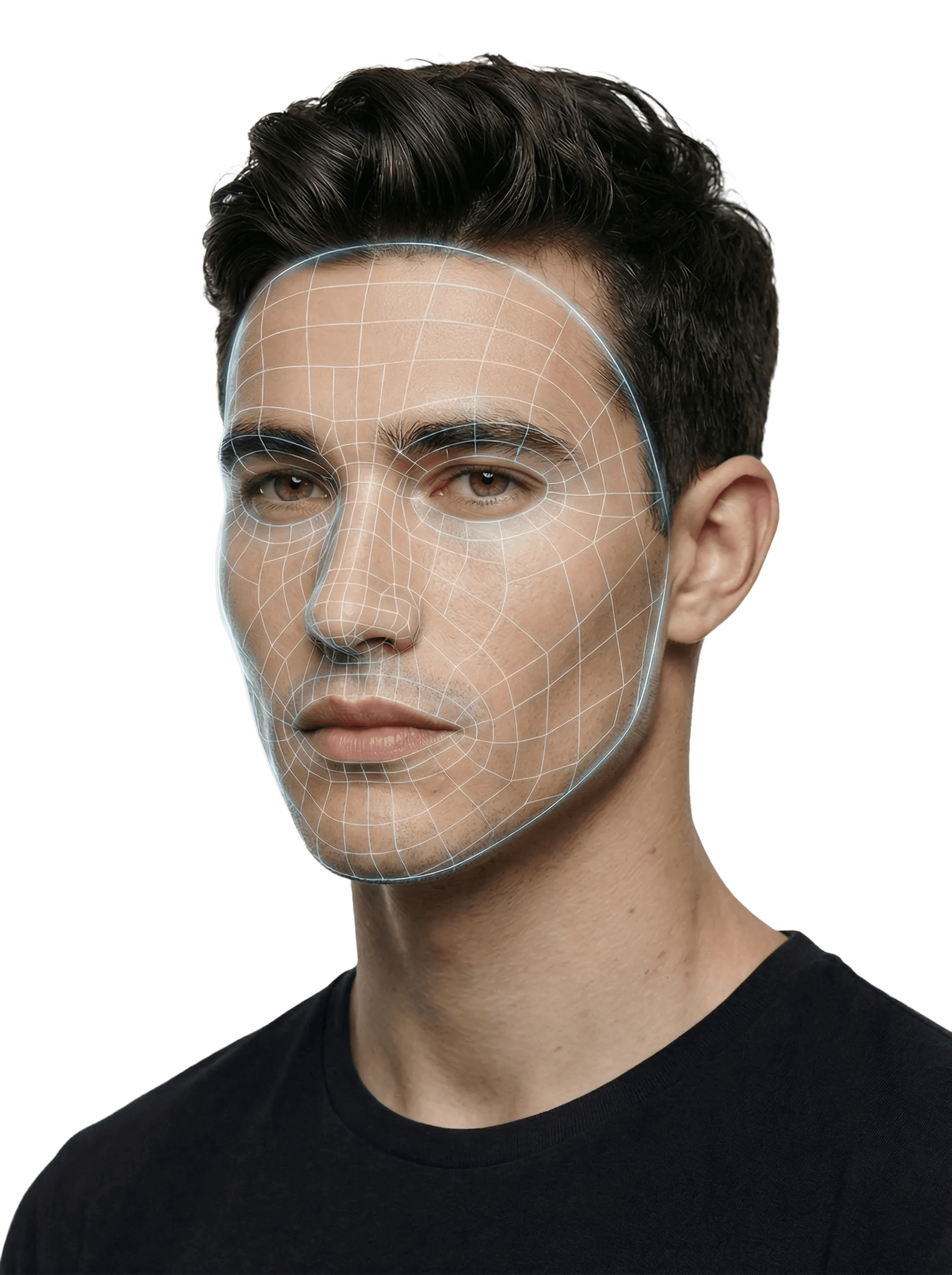
AI photo raters estimate attractiveness by comparing visual patterns against large datasets of faces.
Crowd ratings can be noisy; AI ratings can be stable but context-blind. A balanced approach explains why a photo rates the way it does.
AI photo rater: what it evaluates
An AI photo rater does not judge personality or confidence. It evaluates visible signals that usually drive first impressions:
Symmetry and feature balance
Skin tone uniformity
Eye area clarity
Jawline and facial definition
Hair framing and contrast
Because these signals overlap with how age is perceived, photo rating often correlates with tools like a how old do I look assessment.
Why “rate my pics” results vary so much
People searching “rate my pics” often upload multiple images and see wide score swings. Common reasons include:
Close-range selfies exaggerating features
Downward camera angles softening the jawline
Overhead lighting emphasizing eye circles
Heavy filters flattening texture and contrast
A neutral, controlled image — similar to a standardized AI face analysis — produces more reliable results.
Picture rate vs real-life attractiveness
A picture rate reflects photo attractiveness, not full real-life appeal. Movement, voice, and behavior are missing.
However, photos still matter in contexts like social media and dating apps. If the question is how a picture performs in those environments, photo rating is the right tool. For a broader baseline, compare results with a rate my attractiveness overview.
How to get a fair photo rating
To reduce distortion and get a fair “rate my picture” result:
Use a rear camera when possible
Step back 1.5–2 meters
Keep the camera at eye level
Use indirect daylight
Keep expression neutral
Following these steps isolates facial features from photographic noise.
What to improve if your picture scores low
Low scores usually point to fixable issues rather than immutable traits. High-impact fixes often include:
Improving skin consistency and cleanliness
Adjusting hairstyle or facial hair framing
Choosing angles that preserve facial proportions
Wearing clean, well-fitting clothing
This prioritization mindset is core to looksmaxxing, which focuses on changes that actually move perception.
Rate my picture vs rate my face
“Rate my face” aims to isolate facial traits, while “rate my picture” includes the entire image.
If you want to isolate facial structure and features, compare your result with a rate my face assessment. If you want to optimize how photos perform, picture rating is more relevant.
Why number-only ratings are limiting
A single score answers “where am I?” but not “what do I fix first?” Without context, ratings can increase anxiety or lead to chasing low-impact tweaks.
Structured systems break the rating into components and rank them by impact. This is the difference between a novelty rater and a practical tool.
Using picture rating the right way
A productive workflow looks like this:
Take 2–3 controlled photos.
Compare scores to find a stable range.
Identify the visual factors lowering the score.
Make one change at a time and retest.
Maxxing is built around steps 3 and 4. It turns a “rate my picture” score into clear priorities and tracks visible progress.
If you want a photo rating that explains itself — and shows what to improve first — start here: Rate your picture.
Related photo rating questions
People who search “rate my picture” often continue with:
rate my picture for image-focused scoring
rate me for general perception
tinder appeal for dating-specific photos
what do I look like for overall appearance
A photo rating is most useful when it’s treated as feedback for improvement, not a final judgment.