



How Attractive Am I? Understanding AI Attractiveness Tests and Improving Your Appeal
An AI attractiveness test estimates how appealing your facial features are by comparing them against large datasets of human‑rated faces. Most tools generate a score on a 0–100 or 1–10 scale or label you as “attractive” or “unattractive.” In reality there is no universal attractiveness scale — judgments of beauty vary across cultures and individuals — but studies consistently show that traits like facial symmetry, balanced proportions, clear skin and youthful features strongly influence perceived attractiveness. When most people in a culture agree that someone’s looks fit those patterns, that person is described as conventionally attractive. Because AI scores are based on human ratings, they are rough proxies for how a general audience might perceive you rather than objective truths. For a more comprehensive overview of first‑impression appeal, see our detailed attractiveness test guide.
If you’re curious about how attractive you are and want practical advice, simple online quizzes often feel superficial. Many people look for answers with searches like “how attractive am I” or even “am I pretty”, but few tools explain why you receive the score you do or what you can change. Maxxing offers a personalised assessment that identifies your strengths and weaknesses across face, skin, body, hair, style and confidence, and builds a step‑by‑step glow‑up plan tailored to you. You can try Maxxing to discover which changes will have the biggest impact on your appearance. This guide breaks down the science behind attractiveness, explains how AI tests work, highlights their limitations, and provides evidence‑based tips to improve your appeal.
How AI Attractiveness Tests Work
Modern AI attractiveness tools follow a similar workflow:
Upload a clear photo. The AI requires a well‑lit, high‑resolution headshot with your face centered and your features unobstructed. Avoid heavy makeup, filters, glasses or hats, and ensure even lighting to help the algorithm accurately measure facial ratios and symmetry.
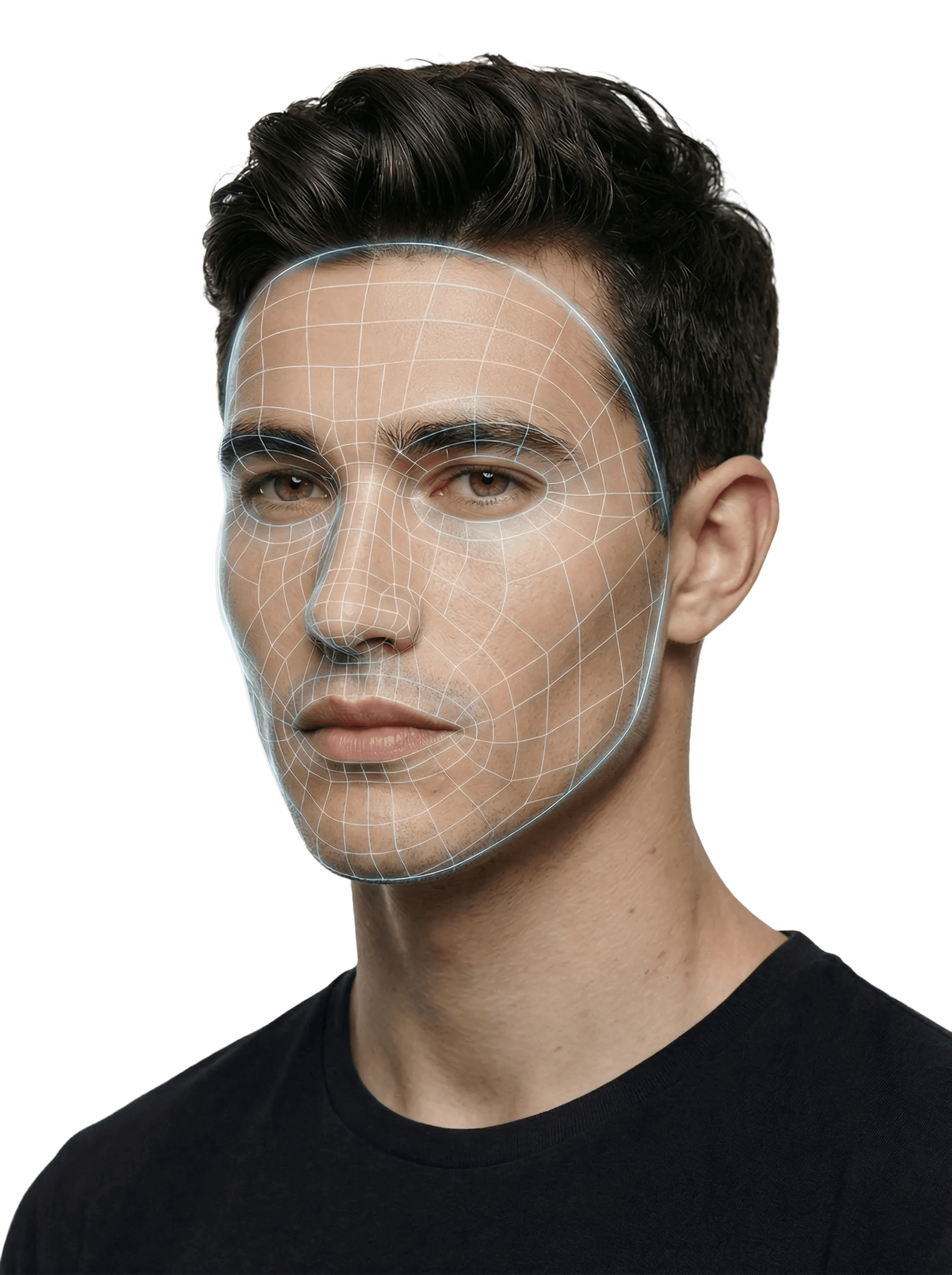
Detect and measure facial landmarks. Algorithms map key points on your face—eyes, nose, mouth, jawline—and calculate distances and angles between them. They evaluate symmetry, proportions, facial width‑to‑height ratio (fWHR), skin texture and even subtle cues like eye size and eyebrow angle. These metrics are compared against large databases of human‑rated faces using techniques similar to an AI face analysis.
Generate an attractiveness score. The model uses statistical learning to predict how an average rater might score your face based on the extracted features. Some tools break scores into subcategories (e.g., symmetry, skin, cuteness). Others provide additional outputs like predicted age or expressions. Keep in mind that these scores reflect patterns in the training data; they are not clinically validated or tailored to your unique context.
Are AI scores accurate?
Algorithms learn from human ratings. Research shows that people across cultures generally agree on which faces are more attractive, so AI can approximate collective preferences. However, training datasets often over‑represent certain ages, ethnicities and genders, which introduces bias. The art project “How Normal Am I” illustrated that AI can misjudge people from under‑represented groups, leading to unreliable scores. Moreover, preferences for features like masculinity or femininity vary widely across cultures; cross‑cultural studies have found that preferences for facial sexual dimorphism (the degree of masculinization or feminization) differ between populations and environments. Treat AI scores as fun feedback rather than definitive judgments.
Key Factors That Influence Attractiveness
Attractiveness results from a combination of biological cues—signals of health, fertility and genetic fitness—and cultural or individual preferences. The factors below consistently influence ratings across studies.
Symmetry and Averageness
Symmetry refers to how closely the left and right sides of your face mirror each other. Evolutionary psychologists argue that symmetry signals developmental stability and good genes; symmetrical faces are generally rated as more attractive across species. Averageness means having features close to the population mean; faces that are neither too extreme nor too distinctive tend to be perceived as more attractive. AI tests measure symmetry by comparing landmark positions and penalising large deviations. For a deeper look at facial proportions, explore our beauty symmetry test article.
Sexual Dimorphism and Facial Structure
Sexual dimorphism refers to traits that differ between male and female faces—men tend to have broader jaws and brow ridges, while women have fuller lips and softer jawlines. Studies find that feminised female faces are rated as more attractive and are associated with higher oestrogen levels. Preferences for masculine male faces, however, vary across populations; some cultures favour softer male faces, while others prefer stronger jawlines and brow ridges. Data‑driven research also shows that jawbone prominence and eyebrow thickness strongly influence perceptions of attractiveness and masculinity. For a personalised analysis of your jawline, see our jawline rating page.
Eyes and Eyebrows
Your eyes and eyebrows are focal points that convey emotion and attractiveness. Machine‑learning studies have shown that larger eyes and well‑shaped eyebrows enhance perceived beauty. Adjusting eyebrow shape or using makeup to accentuate eye contrast can make a significant difference. Tips for framing your eyes can be found in our pretty scale breakdown.
Skin Quality
Healthy skin universally boosts attractiveness. Clear, smooth skin with even pigmentation signals health, youth and fertility. Conditions like acne, uneven tone or dullness can lower attractiveness ratings. A consistent skincare routine—cleansing, moisturising, sun protection—and a healthy lifestyle (adequate sleep, hydration, balanced diet) are foundational. Our beauy test dives deeper into skin analysis and personalised skincare advice.
Hair and Facial Hair
Hair frames the face and influences perceived age, health and style. Research on virtual hair models found that hairstyle has a stronger effect on perceived attractiveness, age and health than hair colour. For women, medium‑length or long hair is often rated as more attractive, while men benefit from well‑groomed hair and facial hair that balances their features. To find the most flattering haircut for your face shape, try our face shape test.
Lips and Smile
Full, well‑proportioned lips are associated with youthfulness and sensuality. A review of lip aesthetics suggests that, in young Caucasian populations, the vertical height ratio of the upper to lower lip ideally approximates 1:1.6. Balanced lips relative to facial width also enhance attractiveness. A healthy smile with clean, aligned teeth further improves perception. Simple lip care (hydration, exfoliation) and, if desired, subtle cosmetic enhancements can help achieve harmony.
Body Composition and Facial Adiposity
Even though attractiveness tests focus on the face, your overall body composition influences facial features. A review of facial adiposity studies reports that people with lower perceived facial fat are rated as more attractive and healthier. Optimal attractiveness tends to correspond to a body mass index (BMI) of about 18–20 kg/m² for women and 22–23 kg/m² for men. Small changes in BMI—sometimes as little as 1.3 kg/m²—can be detected from facial cues. A balanced diet and regular exercise can sharpen your jawline and highlight bone structure. You can explore how weight and muscle distribution affect your face in our attractiveness calculator.
Style, Presentation and Looksmaxxing
Clothing, grooming and posture shape first impressions. Psychological surveys show that subtle changes in dress and grooming influence how others judge your attractiveness, competence and dominance. Experiments found that wearing red can increase perceived attractiveness, while darker colours can enhance perceived dominance. Well‑fitting, clean clothing and intentional accessories signal confidence and attention to detail. Our looksmaxxing guide provides comprehensive style and grooming strategies to optimise your presentation.
Personality and Confidence
Physical features matter, but attractiveness is more than looks. Confidence, warmth and social skills play significant roles in how appealing you are. AI tests may attempt to infer personality, but real attractiveness depends on authentic behaviour. Because confidence often follows visible progress, Maxxing focuses on tangible improvements first—once you look better, you naturally feel more self‑assured. For guidance on building self‑confidence alongside physical changes, see our what is looksmaxxing article.
Limitations and Ethical Concerns
Bias in training data: Many AI models are trained on datasets dominated by certain demographics (e.g., young, Western faces), which can misjudge people with under‑represented features. Cross‑cultural studies show that preferences for masculine or feminine features differ between populations, emphasising that there is no universal attractiveness template.
Privacy risks: Some platforms may store uploaded photos or use them for further training without explicit consent. Always read privacy policies and avoid uploading images you’re uncomfortable sharing.
Psychological impact: Reducing yourself to a number can hurt self‑esteem. Use AI scores for entertainment and curiosity, not self‑worth.
Getting a More Accurate AI Score
To obtain a more representative attractiveness score:
Use a high‑quality photo. Ensure even lighting, a neutral background and no filters. Avoid obstructions like glasses or hats and maintain a neutral expression.
Face the camera directly. Keep your head level and eyes open so the algorithm can accurately detect landmarks.
Frame properly. Include your entire head (top to chin) in the frame. Avoid cropping or tilting the camera.
Try multiple tools. Because algorithms differ, you may receive slightly different scores. Compare them to gain a broader picture, and remember that variation is normal.
Improving Your Attractiveness: Evidence‑Based Tips
Improving attractiveness means enhancing the features you can control rather than chasing unrealistic standards. Here are science‑based strategies:
Reduce facial fat and enhance definition. Lower facial adiposity increases attractiveness ratings. Combine strength training and moderate cardio with a balanced diet rich in protein, vegetables and healthy fats. Sustainable fat loss sharpens your jawline and cheekbones. Avoid crash diets, which can cause rebound weight gain. Our how to looksmaxx guide outlines a priority roadmap for fat loss and muscle building.
Prioritise skin health. Adopt a skincare routine: cleanse twice daily, moisturise, and apply a broad‑spectrum sunscreen every morning. Use products that suit your skin type and consider targeted treatments (retinoids, vitamin C) for specific concerns. Sleep, stress management and hydration also affect skin quality.
Choose flattering hairstyles. Pick haircuts that complement your face shape and texture. Layered cuts add volume to thin hair, while shorter styles accentuate jawlines. Men can experiment with beards or stubble to balance facial proportions. For personalised advice, check our jawline rating and face shape test.
Frame your eyes and eyebrows. Keep eyebrows groomed by trimming stray hairs and shaping them to suit your face. Use mascara or lash serums (if you wear makeup) to enhance eye size. A light highlighter on the inner corners of the eyes can add brightness.
Refine lips and smile. Keep lips hydrated and gently exfoliated. A balanced upper‑to‑lower lip ratio around 1:1.6 is considered attractive. Teeth whitening, orthodontics or dental cleanings can enhance your smile.
Dress intentionally. Invest in well‑fitting clothing that flatters your body and expresses your personality. Pay attention to colour: wearing red may increase perceived attractiveness, while black can project confidence. Finish with good posture and open body language.
Develop confidence and social skills. Confidence amplifies your appeal. Practice good posture, maintain eye contact and engage in hobbies or activities that make you feel accomplished. Authentic conversations and empathetic listening make you more attractive than a perfect face ever could.
Conclusion: Attractiveness Is Malleable and Subjective
Attractiveness assessments blend objective cues (symmetry, skin quality, proportions) with cultural and personal preferences. AI tests approximate how strangers might rate your face, but they cannot define your worth or destiny. By focusing on controllable improvements—body composition, skin health, grooming, style and confidence—you can significantly enhance how others perceive you. Preferences for masculinity or femininity vary across cultures, so remember that there is no universal ideal; the most attractive you is one that looks healthy, feels confident and expresses your individuality.
Maxxing’s multi‑domain system simplifies this journey. It analyses your unique traits, prioritises the changes that matter most and provides step‑by‑step guidance across face, body, hair, style and behaviour. If you’re ready to see how attractive you can become, start your transformation today.