



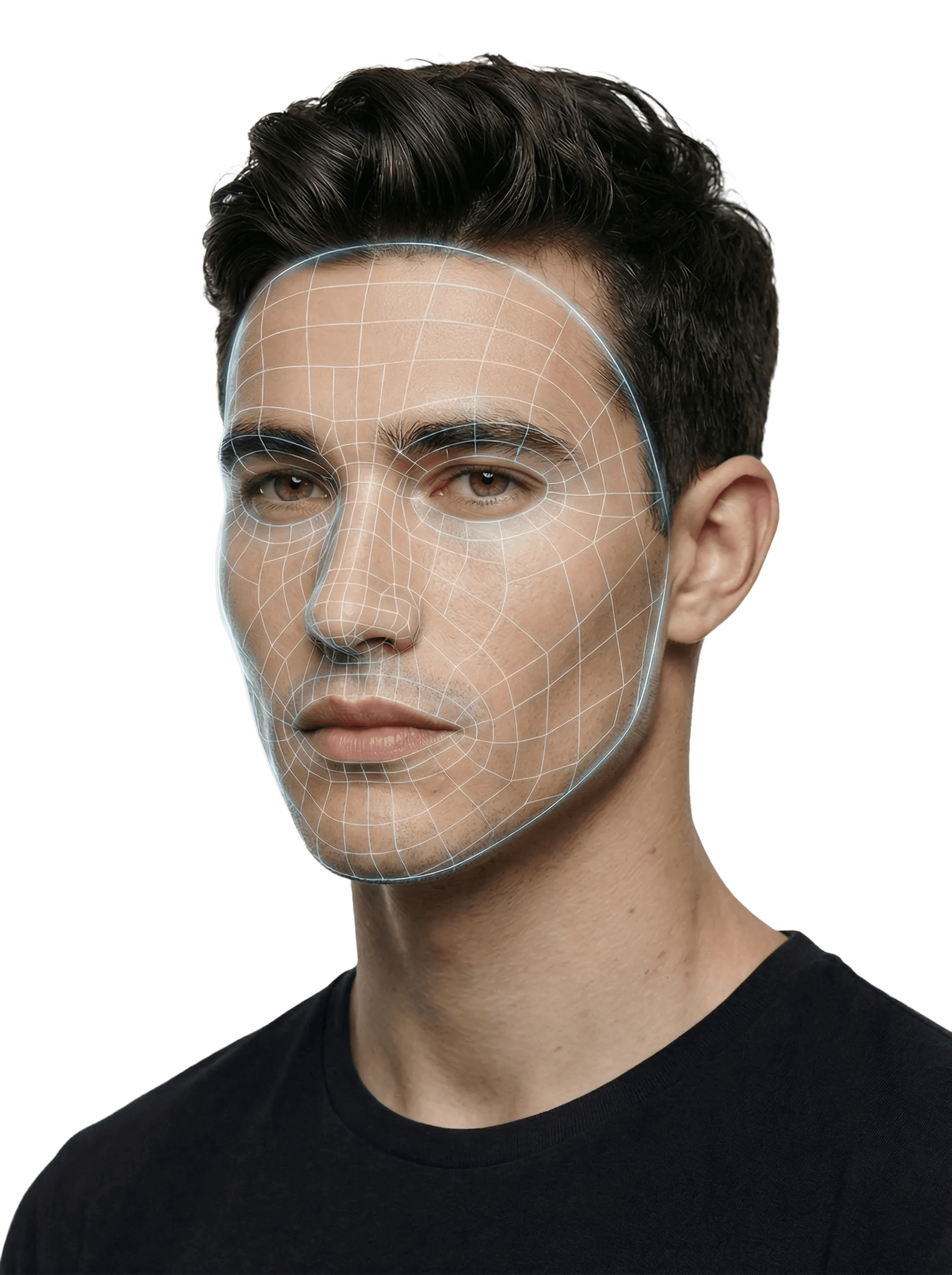
Beauty Test: Understand Your Beauty Score, AI Beauty Testing, and How to Improve
A beauty test estimates perceived physical beauty by evaluating facial features, symmetry, skin condition, and overall presentation. Modern beauty tests range from simple self-perception quizzes to AI‑powered tools that compare your face with patterns learned from datasets. A key reason people seek them is the desire for clear feedback on how others might view their appearance. Unlike vague compliments or harsh comments, a beauty test promises an objective number or rating you can act on.
If you want to experience a tailored assessment instead of guesswork, the beauty test is best done through a structured evaluation like an attractiveness test that breaks down your features into specific components. After identifying your strengths and weaknesses, convert that insight into a personalized improvement plan with Try Maxxing, where AI helps you decide what to focus on first.
What Is a Beauty Test? Immediate Clarification
At its core, a beauty test measures how attractive your face appears to others. This doesn’t judge your worth or personality; it’s about quick visual cues. Beauty tests typically analyse:
Facial structure and proportions – how balanced your facial features appear relative to common attractiveness ideals.
Skin clarity and texture – the evenness of your complexion, absence of acne or blemishes, and overall skin health.
Facial adiposity – how much fat is visible in the face, affecting jawline definition and perceived health.
Symmetry and harmony – whether both sides of your face mirror each other and how well features align.
Hair framing and grooming – how your hair frames your face and indicates grooming habits.
These elements influence our snap judgements. Research shows that people across cultures often agree on attractiveness rankings, suggesting that beauty tests tap into shared perceptions rather than random preferences. However, the specific score you receive can still vary depending on context, expression, and how the test is designed.
Human vs AI Beauty Testing
Beauty tests may rely on human ratings, AI models, or a mix. Human‑based assessments ask groups of people to rate faces on a scale. AI‑based tests use computer vision to detect landmarks, measure proportions, and compare them against patterns associated with high attractiveness. Both approaches aim to simulate consensus perceptions, but each has unique biases.
Human ratings. Humans tend to be consistent in how they rate faces. A study of two cultures found significant cross‑cultural agreement in attractiveness judgments, though the degree of agreement varied depending on familiarity with the faces. In large datasets like Hot or Not, raters show consensus on who is attractive, and less attractive people do not deceive themselves about how attractive their partners are.
AI ratings. AI can approximate human ratings but often scores higher on average than human raters. An analysis comparing AI websites with human focus groups found a strong correlation (r = 0.84), but AI scores were significantly higher. AI models are sensitive to training data and may reflect biases in the datasets used; they also struggle with expression changes and lighting.
Combining multiple AI algorithms can improve reliability. One experiment compared two popular “hotness” algorithms and found that each correlated moderately with human ratings, but they didn’t agree with each other; averaging their scores explained more variance than either alone. Still, both AI and human methods provide only estimates. Your score is a starting point, not a final verdict.
How Beauty Scores Are Calculated
Beauty scores typically use numeric scales (e.g., 1–10 or 0–100). Some tests show a percentage, while others assign categories like “average,” “above average,” or “model‑tier.” A psychometric study compared several response scales (binary yes/no, 0–100, 1–3, 1–5, 1–7, etc.) and found little evidence that one scale is inherently better than another. Researchers lean toward 1–5, 1–7 or 1–8 scales for consistency, but any well‑designed scale can produce reliable outcomes.
Self‑perception tests, meanwhile, often ask how attractive you think you are. Self‑ratings are influenced by confidence, self‑esteem and mood, but they do not always align with how others rate you. A beauty score from an external test may be more objective but should still be interpreted with caution.
Why Beauty Tests Feel Inconsistent
Many people report that their beauty scores vary widely across different tests or photos. There are several reasons for this apparent inconsistency:
Photo conditions. Lighting, focal length, angles and resolution strongly affect how your face looks. A flattering selfie may hide blemishes and slim the face, while a harshly lit photo accentuates flaws. Small differences in expression can also reshape your jawline.
Context and audience. Some tests are calibrated for specific demographics (e.g., age, gender, ethnicity). If your features don’t align with the training data, your score may skew high or low. Reddit communities like r/rateme are male‑dominant and can produce harsher ratings; other subreddits may inflate scores through politeness. This variability explains why results from rate my picture posts might differ from algorithmic feedback.
Scale differences. One test may label 5/10 as average and another may use 5/10 for “above average.” Without clear context, it’s easy to misinterpret the meaning of a number.
Personal bias. People who dislike their own appearance might underrate themselves, while friends might overrate you out of kindness. External scores provide a detached perspective but still come from datasets shaped by cultural norms.
The takeaway: treat beauty scores as data points. Compare multiple assessments, use controlled photos, and focus on the feedback rather than obsessing over the number.
The Dark Side: Bias and Psychological Impact
While beauty tests can be informative, they can also harm self‑esteem if taken too seriously. Online rating platforms often attract people who are looks‑focused, leading to unrealistic standards. For example, an experiment with Hot or Not found that certain cues (holding a guitar or wearing a hat) increased male ratings, while holding a beer lowered them. For women, wearing no makeup reduced ratings. These results show how superficial cues influence scores, sometimes more than the underlying face.
Repeatedly posting photos for feedback can become unhealthy. Users start chasing numbers rather than addressing real improvements. Strangers’ comments may fixate on minor flaws rather than providing constructive guidance. If you participate in rate me or rate my face communities, limit exposure, and seek balanced feedback.
Moreover, beauty scores are influenced by culture and gender. Beauty ideals vary by region: clear skin and symmetry may be valued universally, but preferences for facial fullness, eye shape, or lip fullness differ. Gender stereotypes also affect how certain features are judged (e.g., strong jawlines may increase male attractiveness but reduce perceived femininity). Keep these biases in mind when interpreting results.
How to Improve Your Beauty Score: Practical Steps
Beauty tests highlight areas where you can make meaningful improvements. Here’s how to use your score constructively:
1. Focus on Skin Health
Skin quality heavily influences perceived attractiveness. Consistent cleansing, moisturizing, and sun protection improve texture and tone. Address acne, dryness or pigmentation with appropriate products or professional advice. Reducing puffiness and dark circles helps, too. A beauty analyzer or AI face rater can point out specific skin concerns.
2. Optimize Body Composition
Facial adiposity affects jawline definition and perceived health. Adjust diet, exercise and hydration to achieve a healthy body fat level. Even slight changes in weight can sharpen features and raise your score. But avoid extreme diets; aim for sustainable improvements.
3. Style and Hair Framing
Haircuts and grooming dramatically change how balanced your face looks. Choose styles that complement your face shape — a face shape test helps identify whether you have an oval, round, square or heart shape. Proper grooming (e.g., neat facial hair for men, well‑maintained hair for women) adds polish and signals care.
4. Enhance Symmetry with Presentation
True facial symmetry is rare, but you can create visual balance. Makeup techniques highlight your best side; contouring accentuates bone structure. Posture and head angle in photos matter as much as your features. Practising better posture improves your appearance in daily life, not just photos.
5. Choose Flattering Clothing and Accessories
Clothes that fit well and complement your colouring can elevate your perceived beauty. Avoid overly baggy or tight outfits; find cuts that accentuate your build. Jewellery and glasses also impact perception. A jawline rating or facial feature analyzer can help you understand which accessories emphasise your best features.
6. Embrace Holistic Looksmaxxing
Beauty is multi‑dimensional. Working on skin, body, hair, and style collectively yields the biggest gains. This holistic approach is often called looksmaxxing. Tools like looksmax AI or what is looksmaxxing articles provide guidance on how to systematically enhance each domain. Remember, progress in one area supports improvements in others: healthier habits benefit skin, body and hair simultaneously.
From Beauty Test to Personalized Plan: Why Maxxing Matters
Most beauty tests stop at the number. Maxxing was designed to answer the next question: What should I fix first? Instead of giving generic advice, Maxxing breaks your appearance down into face, skin, body, hair, style and confidence. It ranks issues by impact and provides a clear order of operations. By moving beyond “Am I beautiful?” to “What can I improve right now?”, you avoid frustration and see real progress.
Start your personalized journey with a test like the attractiveness calculator or beauty test, then translate results into a targeted routine. A good plan includes daily tasks, weekly check-ins, and adjustments as you change. Maxxing’s platform helps you do this while avoiding unrealistic expectations.
Conclusion: Beauty Tests Are Tools, Not Labels
Beauty tests can be valuable if used correctly: they give a snapshot of how you’re perceived and highlight areas for improvement. However, the scores should not define your worth. Context, culture and bias all influence the result. Use the information as one part of a holistic self‑improvement plan.
Whether your goal is to feel more confident, succeed in dating, or simply understand your appearance better, focusing on objective improvements yields better outcomes. Skin care, body composition, grooming, style and posture all contribute to a higher beauty score and a more confident you. Pair your assessment with a well‑structured plan; start with a beauty test and convert insights into action with Try Maxxing.