


What Is Looksmaxxing? Meaning, Terms, And How It Actually Works
Looksmaxxing is the practice of systematically improving physical appearance to increase perceived attractiveness, confidence, and social outcomes. It focuses on changing visible, controllable traits — such as skin quality, body composition, hair, grooming, style, and presentation — rather than relying on affirmations or mindset alone.
In simple terms, looksmaxxing asks one question: What can I realistically improve that will most increase how I’m perceived?
If you want to see what specifically applies to your face and appearance, a personalized analysis makes more sense than generic advice. You can start with a tailored assessment here: Try Maxxing.
What does looksmaxxing mean
The term “looksmaxxing” comes from combining looks and maximizing. It refers to optimizing appearance within personal constraints.
People often search variations like:
what is looksmaxxing
what is lookmaxxing
looks maxxing vs looksmaxing
maxxing vs maxing
All refer to the same idea: intentional appearance optimization.
Looksmaxxing vs confidence advice
Looksmaxxing differs from confidence-first advice. Instead of telling someone to “just be confident,” it treats confidence as a result of visible progress.
Psychology research shows that changes in appearance reliably affect how others respond in first impressions, which then feeds back into self-confidence (source: First impression formation research).
In other words, social feedback often changes after appearance improves — not before.
What looksmaxxing is NOT
Looksmaxxing is often misunderstood. It is not:
plastic surgery by default
chasing perfection or celebrity looks
obsessing over unchangeable genetics
relying on internet rating extremes
Practical looksmaxxing prioritizes high-impact, low-risk changes first.
Core areas of looksmaxxing
Effective looksmaxxing focuses on areas that most influence perception:
Face and skin — acne control, texture, tone, hygiene, routine consistency
Body composition — fat loss or muscle gain that affects facial definition and posture
Hair and grooming — haircut choice, hairline management, facial hair framing
Style and presentation — clothing fit, cleanliness, coherence
Behavioral presentation — posture, eye contact, relaxed body language that follows visible improvement
These elements collectively drive first impressions more than any single trait.
Hardmaxxing vs softmaxxing
Community discussions often split looksmaxxing into two categories:
Softmaxxing refers to non-invasive, lifestyle-based improvements such as grooming, skincare, fitness, sleep, and styling.
Hardmaxxing refers to medical or cosmetic interventions. Most people never need to go here to see meaningful improvement.
Maxxing-focused systems emphasize softmaxxing first because it delivers the largest return with the lowest risk.
Why people start looksmaxxing
People rarely begin looksmaxxing out of vanity. Common triggers include:
poor dating results
low social confidence tied to appearance
feeling ignored or overlooked
not recognizing themselves in photos
These motivations show up repeatedly in tools like how attractive am I or rate my attractiveness.
Looksmaxxing terms you’ll see
Looksmaxxing discussions use specific language. Common terms include:
Perceived age — how old someone looks, not their real age
Facial harmony — how well features work together
High-impact traits — changes that noticeably affect perception
Low-impact noise — flaws that feel big to the person but rarely affect others
Understanding this vocabulary helps filter useful advice from obsession.
How looksmaxxing actually works in practice
Effective looksmaxxing follows a clear process:
Assess current appearance objectively
Identify the main blockers
Rank them by impact
Improve one area at a time
Track visible progress
This structure prevents chasing tiny flaws while ignoring bigger issues — a common failure mode in unstructured advice.
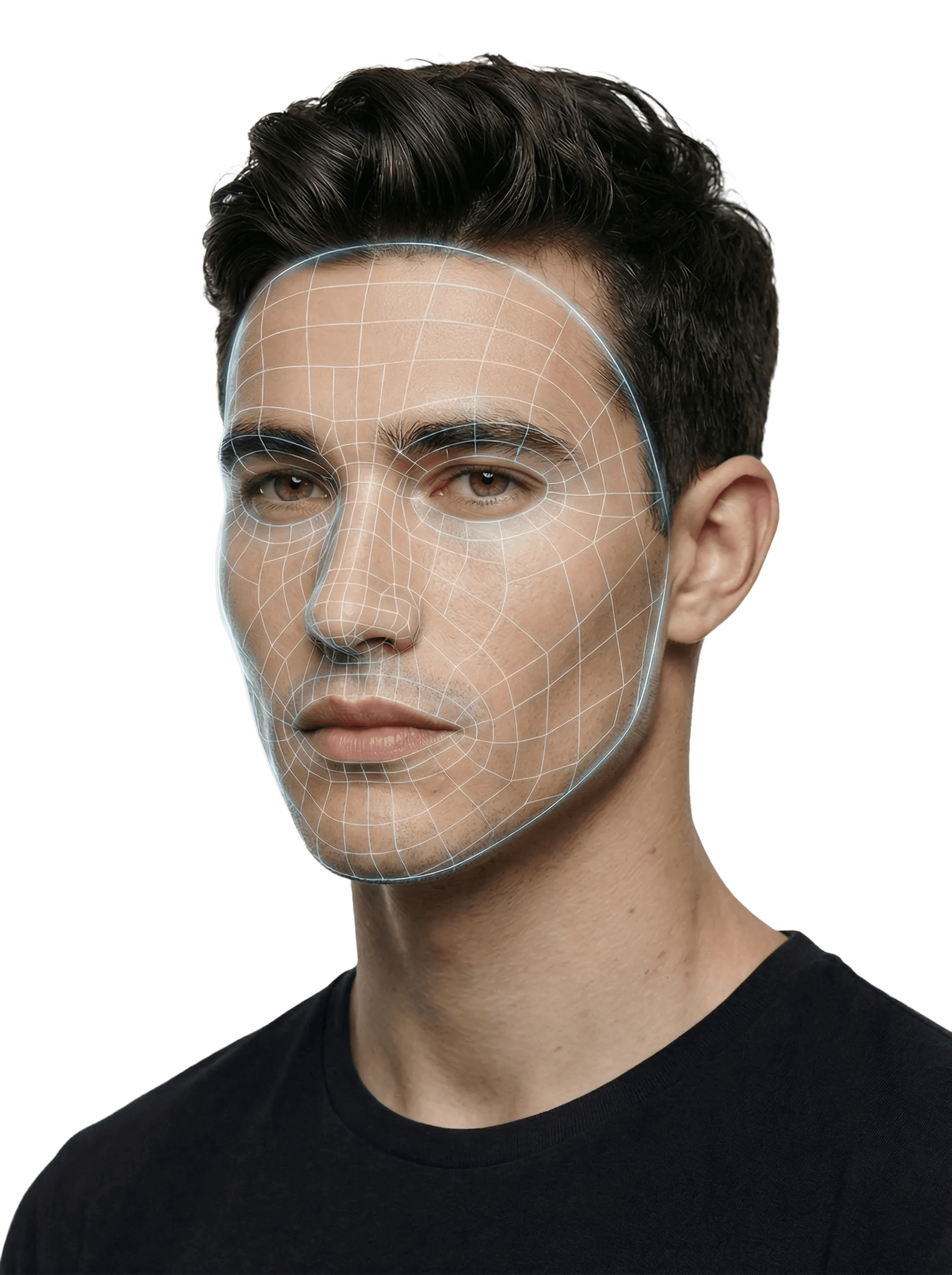
Tools like an AI face analysis or an attractiveness test are often used as starting points.
Looksmaxxing and dating outcomes
Appearance affects dating probability. Improving visible traits increases the likelihood of positive reactions, matches, and approachability.
This does not guarantee attraction, but it shifts odds. Many users connect looksmaxxing with practical goals like improving their tinder appeal or understanding their baseline via how hot am I.
Looksmaxxing vs self-acceptance
Looksmaxxing is sometimes framed as the opposite of self-acceptance. In practice, they are not mutually exclusive.
Improving what is changeable often reduces rumination over what is not. Clear progress replaces endless comparison.
Research on self-perception shows people judge their own faces more harshly than others do (source: Self-face perception bias research). Structured improvement helps break that loop.
Why generic looksmaxxing advice fails
Most generic advice fails because it is:
not personalized
not prioritized
contradictory
disconnected from real-world outcomes
Without ranking issues by impact, people waste time fixing the wrong things.
A practical definition of modern looksmaxxing
Modern looksmaxxing is not about extremes. It is about clarity.
It uses objective signals to understand how you are perceived, focuses on changes you can realistically make, and treats confidence as a side effect of visible improvement.
Maxxing is built around this model. It maps appearance blockers, prioritizes fixes, and shows what to work on first — rather than overwhelming users with generic lists.
If you want to move from theory to specifics, start with a personalized scan: Start your analysis.