



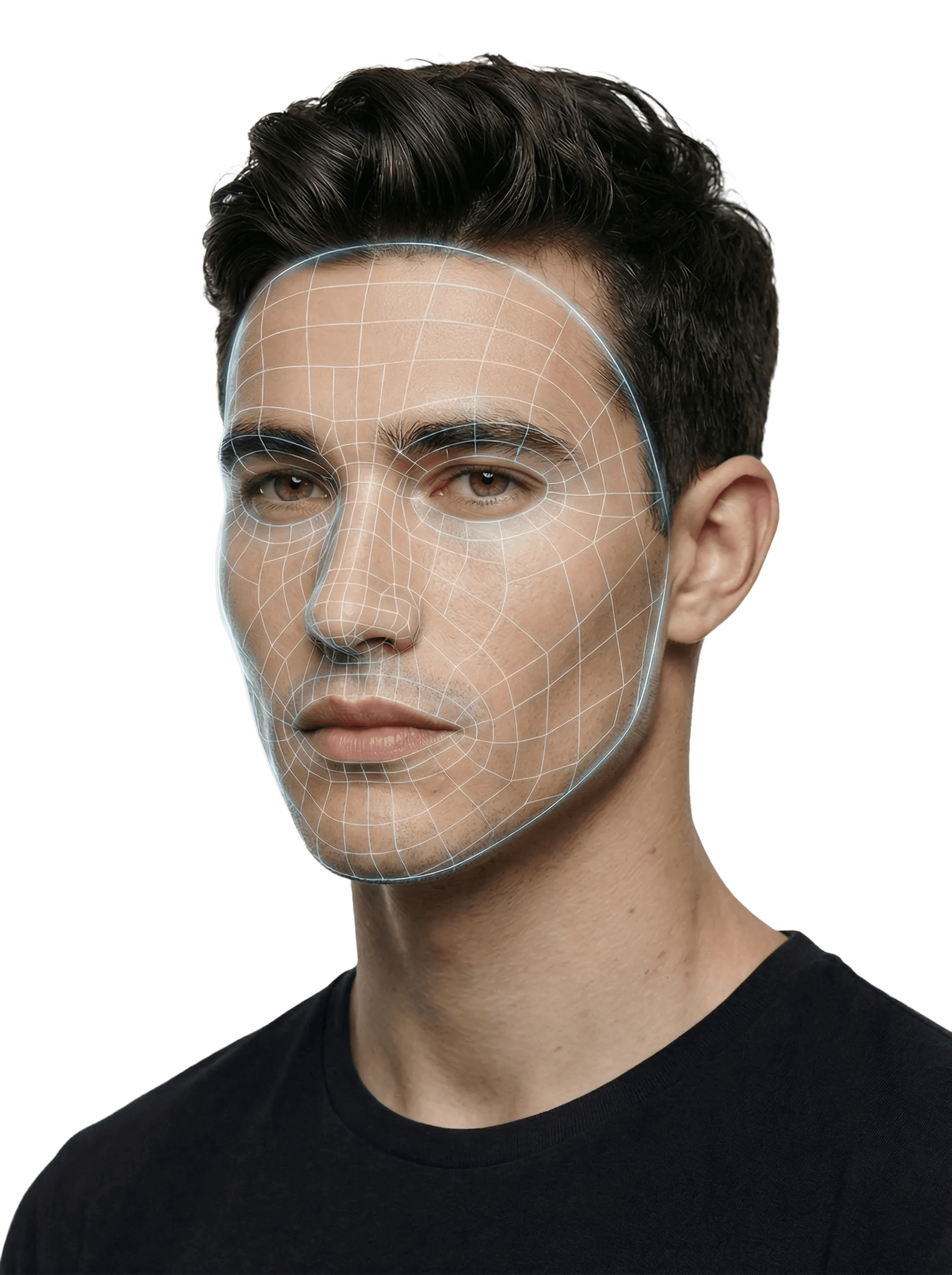
Face Shape Test: Find Your Face Shape From a Photo (AI Detector & Analyzer)
A face shape test identifies your natural facial structure—oval, round, square, heart, diamond, or oblong—using visual measurements or AI-based analysis. The fastest and most accurate option today is a face shape detector that analyzes a photo and returns your face type with proportions, landmarks, and framing guidance.
If you want a personalized answer instead of guessing in the mirror, start your analysis with Maxxing and upload a photo to see your face shape, the features driving it, and what to fix first.
What Is a Face Shape Test?
A face shape test (also called a face shape meter or face type detector) evaluates the relationship between key facial dimensions:
forehead width
cheekbone width
jaw width
face length
Traditional tests use manual measurements. Modern tools use AI face shape analysis to map landmarks and compute ratios consistently across angles and lighting. That is why people search for face shape detector online and face shape detector app—AI removes guesswork.
Understanding face shape is foundational to broader attractiveness analysis covered in AI face analysis and helps explain why certain haircuts, beards, or glasses either elevate or drag your look.
Why Face Shape Matters for Attractiveness
Face shape frames every visible feature. The same eyes or jaw can read very differently depending on balance and proportion. Research shows that proportional harmony and averageness influence perceived attractiveness (source: Facial symmetry and attractiveness).
In practice, face shape matters because it determines:
how prominent or recessed your jaw appears
whether cheekbones look sharp or soft
which hairlines shorten or elongate your face
how facial fat distribution changes perception
This is why a face shape test is often used together with a beauty test or attractiveness test—shape contextualizes the score.
Common Face Shapes Explained
Oval Face Shape
face length longer than width
balanced forehead and jaw
softly rounded chin
Oval faces are versatile. Most styles work with minimal adjustment. If you wonder what is my face shape upload photo, oval is the most common output from AI face shape detectors.
Round Face Shape
similar length and width
full cheeks
soft jawline
Round faces benefit from visual length. Guidance often overlaps with jawline rating and body composition advice.
Square Face Shape
wide forehead and jaw
strong angles
minimal taper
Square faces project strength. Styling focuses on control rather than adding structure.
Heart Face Shape
wide forehead
narrow jaw and chin
pronounced cheekbones
Heart shapes need lower-face framing. Beard and hair choices matter more than cosmetics alone.
Diamond Face Shape
narrow forehead and jaw
widest at cheekbones
Rare but striking. Diamond faces are sensitive to hair length and side volume.
Oblong / Rectangular Face Shape
long vertical proportions
similar forehead, cheek, and jaw widths
Vertical shortening is the priority. This frequently appears in test face shape outputs for lean individuals.
How a Face Shape Detector Works (AI)
An AI face shape analyzer follows a consistent pipeline:
detect facial landmarks (eyes, nose, mouth, jawline)
normalize head tilt and distance
calculate ratios between width and length
classify into a face type cluster
Unlike mirrors or manual rulers, AI handles perspective bias. That is why searches like face shape from photo and detect face shape AI are replacing manual methods.
The same landmark mapping is also used in facial feature analyzer tools, which break down individual traits after shape classification.
Face Shape Test Online vs Manual Methods
Manual face shape calculator
requires measurements
high error rate
inconsistent results
Face shape detector online (AI)
photo-based
consistent ratios
objective classification
Most users searching app that determines face shape prefer AI for speed and clarity. Want to go a step further? The same two measurements, length and width, are what a golden ratio test uses — see how to measure your face against the golden ratio.
How to Take a Face Shape Photo for Best Results
For an accurate face shape photo or what is my face shape photo upload result:
neutral expression
hair pulled back
camera at eye level
even lighting
These rules reduce distortion and improve landmark detection accuracy.
Most Attractive Face Shape: Is There One?
There is no universally perfect face shape. Perceived attractiveness depends on proportional balance rather than category labels. Faces closer to average proportions tend to score higher across populations (source: Averageness, symmetry, and facial attractiveness).
This is why most attractive face shape queries are misleading. Optimization focuses on harmony within your category, not changing the category itself.
Using Face Shape for Practical Improvements
Face shape guides decisions in:
haircuts and hairline framing
facial hair density and shape
glasses and accessories
weight-change priorities affecting face fat
These adjustments are core to looksmaxxing strategies because they produce visible gains without surgery.
If you want step-by-step prioritization, what is looksmaxxing explains how shape fits into a broader improvement plan.
Face Shape + Other Facial Signals
Face shape works best when combined with:
beauty symmetry test to check balance
skin assessment via ai beauty analyzer
age cues from how old do I look tools
Isolated metrics confuse users. Integrated analysis clarifies priorities.
Why Guessing Your Face Shape Often Fails
Common mistakes include:
relying on selfies with wide-angle distortion
mislabeling jaw width due to beard or fat
ignoring head tilt
This explains why many people searching online face shape detectors get inconsistent answers across sites.
How Maxxing Uses Face Shape Analysis
Maxxing does not stop at classification. The system:
maps your exact proportions
identifies which traits dominate perception
ranks what to fix first for visible improvement
Instead of generic advice, the platform connects face shape to real-world outcomes like dating confidence and social reactions, aligning with results-driven analysis such as rate my attractiveness.
Try the face shape test now and see what your structure actually means for you:
Start face shape analysis
Frequently Asked Questions
Is a face shape detector free?
Many tools offer basic results. Advanced analysis explains impact and optimization.
Can face shape change?
Bone structure does not change, but fat distribution, posture, and styling shift perception significantly.
Is face shape linked to gender or ethnicity?
Distribution differs across populations, but categories remain consistent. Context is explained alongside ethnicity from face analysis when relevant.
Key Takeaways
a face shape test classifies structural proportions
AI-based detectors reduce error and bias
attractiveness depends on harmony, not labels
improvement comes from optimizing within your shape
Face shape analysis is not about labeling yourself—it is about understanding what visually holds you back and what actually moves the needle.