



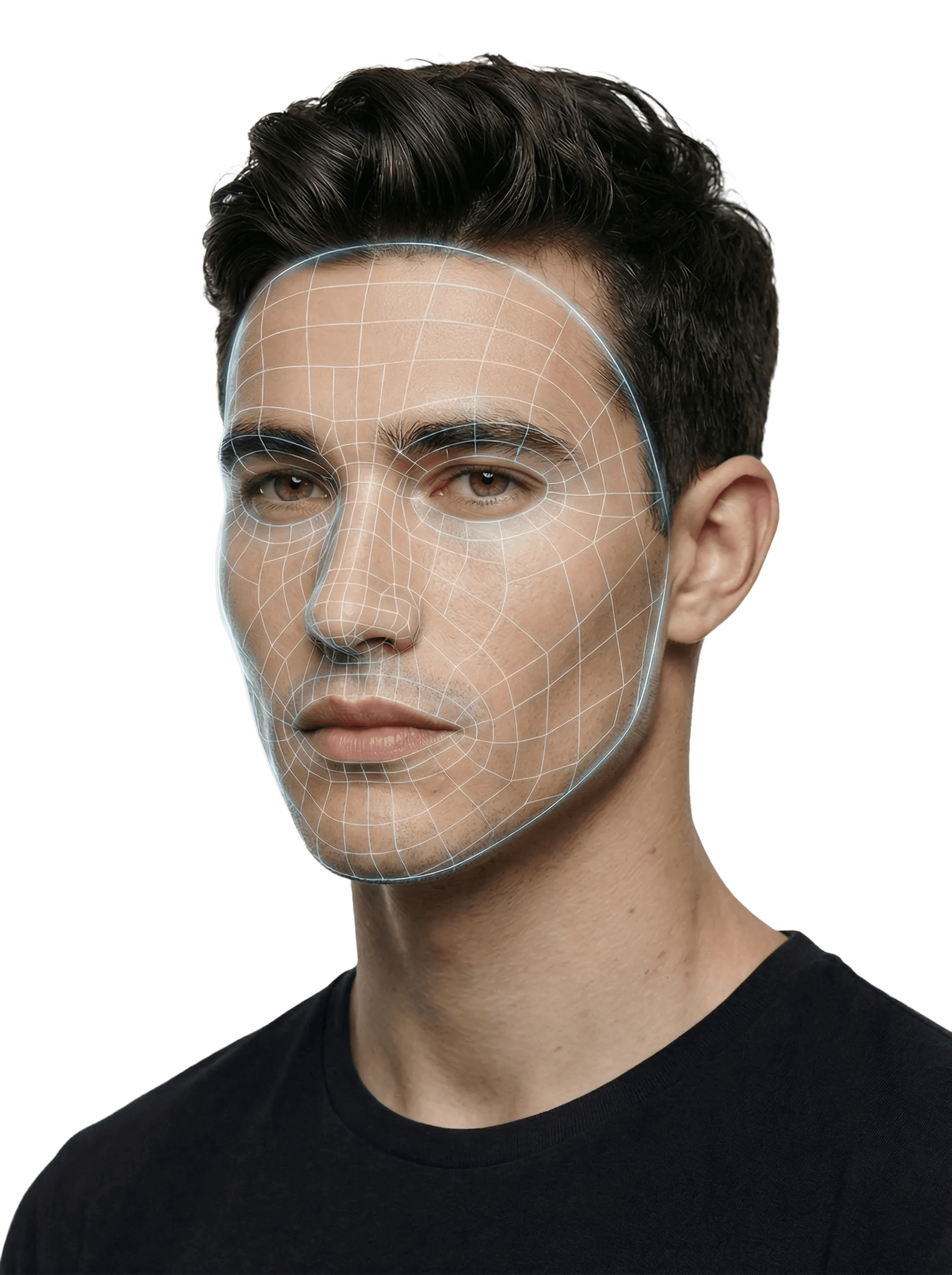
AI Face Symmetry Test: Measure Your Facial Balance and Improve Your Look
A face symmetry test evaluates how closely the left and right sides of your face mirror each other. Symmetry is often associated with attractiveness and perceived health: research shows that people tend to prefer faces with balanced features (source: Facial symmetry and the perception of beauty). However, no human face is perfectly symmetrical — and that’s part of what makes us unique. The goal of a symmetry test is not to pursue perfection but to understand which features create imbalance and how to enhance them.
If you’re curious about your facial symmetry and want actionable insights, Maxxing offers an AI‑powered assessment that goes beyond a simple score. It measures symmetry, proportions, skin quality and other features to identify high‑impact areas for improvement. You can start your personalized analysis here: Try AI face analysis.
Why Facial Symmetry Matters
Evolutionary biology suggests that symmetrical faces may signal developmental stability and genetic health, which explains why symmetry influences attractiveness. Balanced features are easier for our brains to process, making them appear more aesthetically pleasing. Yet symmetry is only one aspect of beauty. Personality, expression, skin quality and facial proportions also contribute to perceived attractiveness (source: Facial attractiveness: evolutionary and social perspectives).
Understanding your symmetry helps you make targeted improvements: adjusting hairstyle, grooming eyebrows, refining makeup techniques, or working on posture and muscle balance. Our ai face analysis tool combines symmetry evaluation with proportion and skin assessments to give a holistic view.
How to Test Your Face Symmetry
1. Mirror Selfie Method
Take a clear, front‑facing photo with even lighting.
Use photo editing software to flip the image horizontally.
Combine the left half with its mirror image and the right half with its mirror image.
Compare the two composite faces. Differences between the mirrored versions reveal asymmetries. This DIY method is simple but may lack precision.
2. Golden Ratio Mask Overlay
Some symmetry tests overlay a golden ratio mask (phi mask) onto your face to evaluate how closely your features align with ideal proportions. While it provides visual feedback, it can be too rigid; many attractive faces deviate from these exact ratios. Use this method for curiosity, not as a strict standard. To see what these overlays actually measure, read our guide to the golden ratio face test.
3. AI Face Symmetry Analyzer
AI‑powered tools use facial landmark detection to calculate symmetry scores. They measure distances and angles between paired features (eyes, eyebrows, nostrils, corners of the mouth) and compare them to normative data. An AI face analyzer highlights subtle asymmetries and suggests adjustments. For example, our facial feature analyzer pinpoints discrepancies in eye height or jawline angle and recommends hairstyles or grooming techniques to balance them.
4. Professional Assessment
For medical concerns (e.g., jaw misalignment), consult orthodontists or plastic surgeons. They can diagnose structural asymmetries and propose corrective procedures. Maxxing focuses on non‑medical enhancements — posture, grooming, lifestyle — rather than surgical solutions.
Interpreting Your Symmetry Results
Balanced Features
Eyes and Brows: Even spacing and similar heights create harmony. If one brow sits higher, try shaping or filling in your brows accordingly. Eye makeup techniques can balance size and shape.
Nose: A straight nasal bridge and centered alignment contribute to facial balance. Minor deviations are common and often unnoticed.
Mouth and Lips: Symmetrical lip corners and consistent volume on both sides enhance smile aesthetics. Lip exercises or subtle fillers may help with minor imbalances; see our am i pretty article for more on lip proportions.
Jawline: A symmetrical jawline frames your face evenly. If one side appears more defined, facial exercises and posture improvements can create more balance. Our jawline rating discusses jaw definition and practical tips.
Asymmetries to Note
Eye size differences can be due to eyelid droop (ptosis) or facial muscle habits. Makeup, eyelid tape or, in some cases, medical procedures may address this.
Crooked nose may be the result of injury or natural deviation. Minor asymmetry is normal; significant concerns warrant professional consultation.
Uneven smile often stems from muscle dominance. Practicing symmetrical chewing or facial exercises can help equalize muscle strength.
Facial volume differences occur when one side retains more fat. Balanced nutrition, hydration and targeted massage may reduce puffiness.
Remember: perfect symmetry is rare; small differences add character. Use your results as a guide, not a verdict.
How to Improve Facial Symmetry Naturally
Practice proper posture. Slouching or favoring one side can create muscle imbalances that affect facial symmetry. Keep your spine aligned and avoid resting your head on one hand for long periods.
Chew on both sides. Many people favor one side when chewing, leading to uneven muscle development. Alternate chewing sides to promote balance.
Facial exercises. Simple routines like cheek lifts, jaw clenches and eye squeezes can strengthen weaker muscles and improve symmetry. Incorporate these into your daily routine for gradual improvements.
Reduce facial fat. If puffiness or unequal fat distribution makes one side larger, adopting a balanced diet and regular exercise can help. Our looksmaxxing pillar explains how body composition changes affect facial appearance.
Groom strategically. Adjust your hairstyle to create visual balance: a side part can offset asymmetrical features; volume on one side can equalize face width. Beard shaping (for men) can also disguise uneven jawlines. Our how to looksmaxx guide covers grooming for symmetry.
Mind your sleep position. Sleeping consistently on one side may contribute to subtle asymmetries. Try alternating sides or sleeping on your back.
Align accessories. Eyeglasses, earrings and hats should sit level. Adjust nose pads and temples to ensure symmetry.
For more tailored advice, refer to our beauty test which integrates facial symmetry into a full appearance assessment.
Limitations and Myths About Symmetry
Symmetry isn’t everything. Many charismatic celebrities have noticeable asymmetries. Personality, style and confidence often outweigh minor imbalances.
Perfect symmetry can look unnatural. Completely mirrored faces often appear uncanny because our brains expect subtle variations. The goal is balance, not cloning.
AI scores vary across platforms. Different tools use different algorithms and datasets. Results may differ; look for patterns rather than fixating on one number.
Cultural perceptions vary. Ideal proportions differ across cultures and ethnicities. Use symmetry tests as a personal baseline, not a universal rule.
If you’re concerned about a particular feature, explore our ai face rater and beauty analyzer for additional context.
Conclusion: Balance, Not Perfection
A face symmetry test helps you understand which features are imbalanced and gives you a starting point for improvement. Use the insights to refine your grooming, posture and lifestyle habits. Remember that beauty is multifaceted: symmetry matters, but so do proportions, skin quality, expression and confidence.
To see how symmetry fits into your overall look, try our AI face analysis for a comprehensive evaluation. Pair it with tools like the face shape test and celebrity look alike for inspiration. By focusing on gradual improvements and embracing your unique features, you’ll project confidence and attract more positive attention.