
Guess My Age: How Old Do You Look? Understanding Age Estimation and Perceived Age
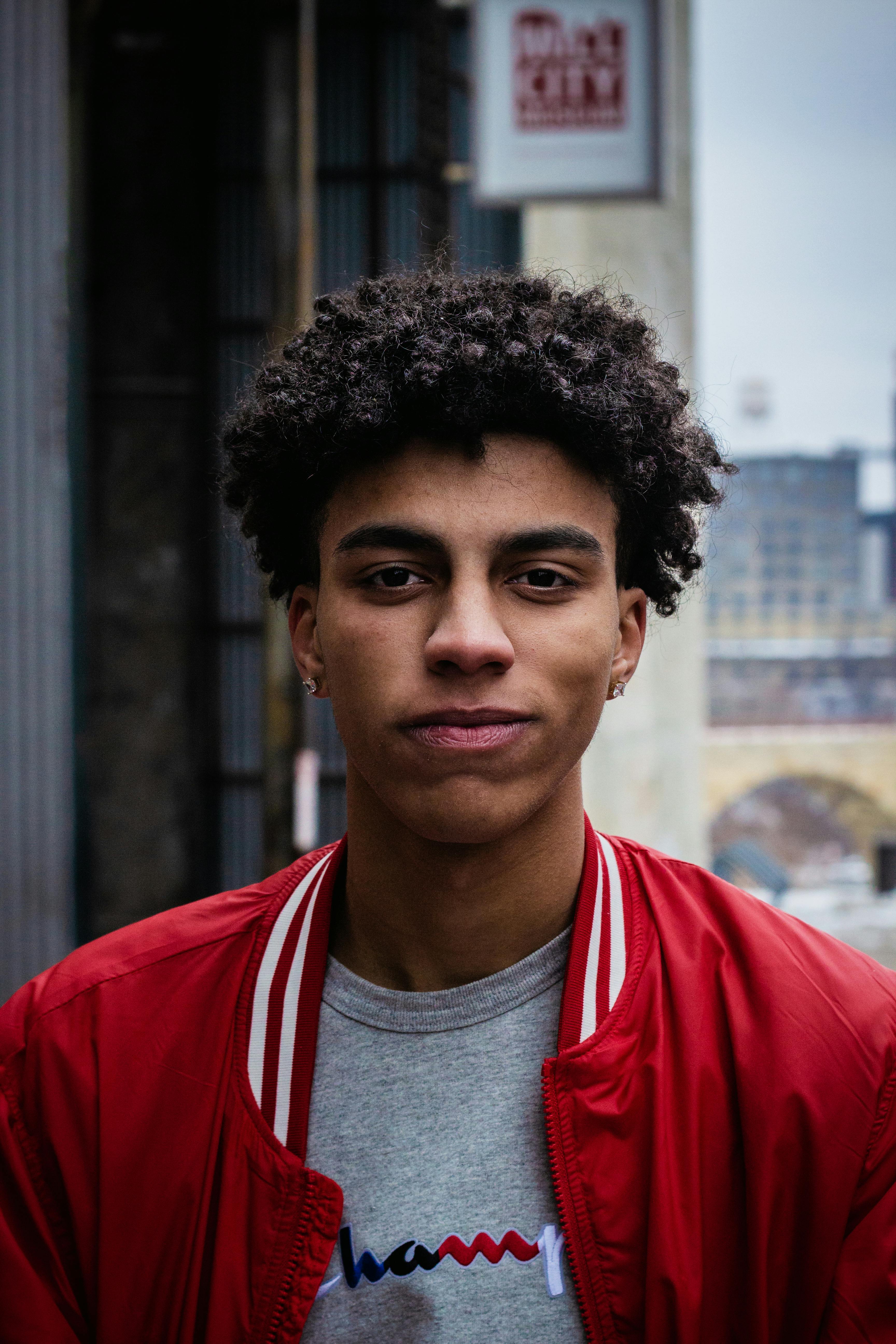
“Guess my age” is more than a party trick; it’s a window into how others perceive your health, vitality and attractiveness. People rarely look exactly their chronological age, and research shows that perceived age often differs from biological age because lifestyle and environmental factors leave visible traces on the face. A recent study notes that perceived age is a stronger biomarker of overall health than chronological age due to the influence of lifestyle factors like sun exposure, smoking, diet and stress (source: Colour information biases facial age estimation and reduces inter‑observer variability). That’s why many people are curious about how old they appear to others — and why modern age‑guessing tools have become so popular.
If you want an objective baseline, you can use our AI‑powered face age test to see how old you look based on facial cues. It provides a starting point for improvement, not a verdict, and helps you prioritise what matters. Start your assessment here.
Why People Care About Perceived Age
Age isn’t just a number; it’s a social signal. It determines legal rights, social expectations and how others treat us. Studies highlight that perceived age influences judgments of health, attractiveness and even trustworthiness. Being perceived as younger is associated with greater perceived health and attractiveness, and attractive people are judged more positively overall (source: Colour information biases facial age estimation and reduces inter‑observer variability). On the flip side, looking older can affect career opportunities, dating prospects and social confidence. That’s why many people ask “how old do I look?” or take a face age test — they’re seeking external feedback on an attribute that quietly shapes everyday interactions.
What Does an Age Guessing Tool Measure?
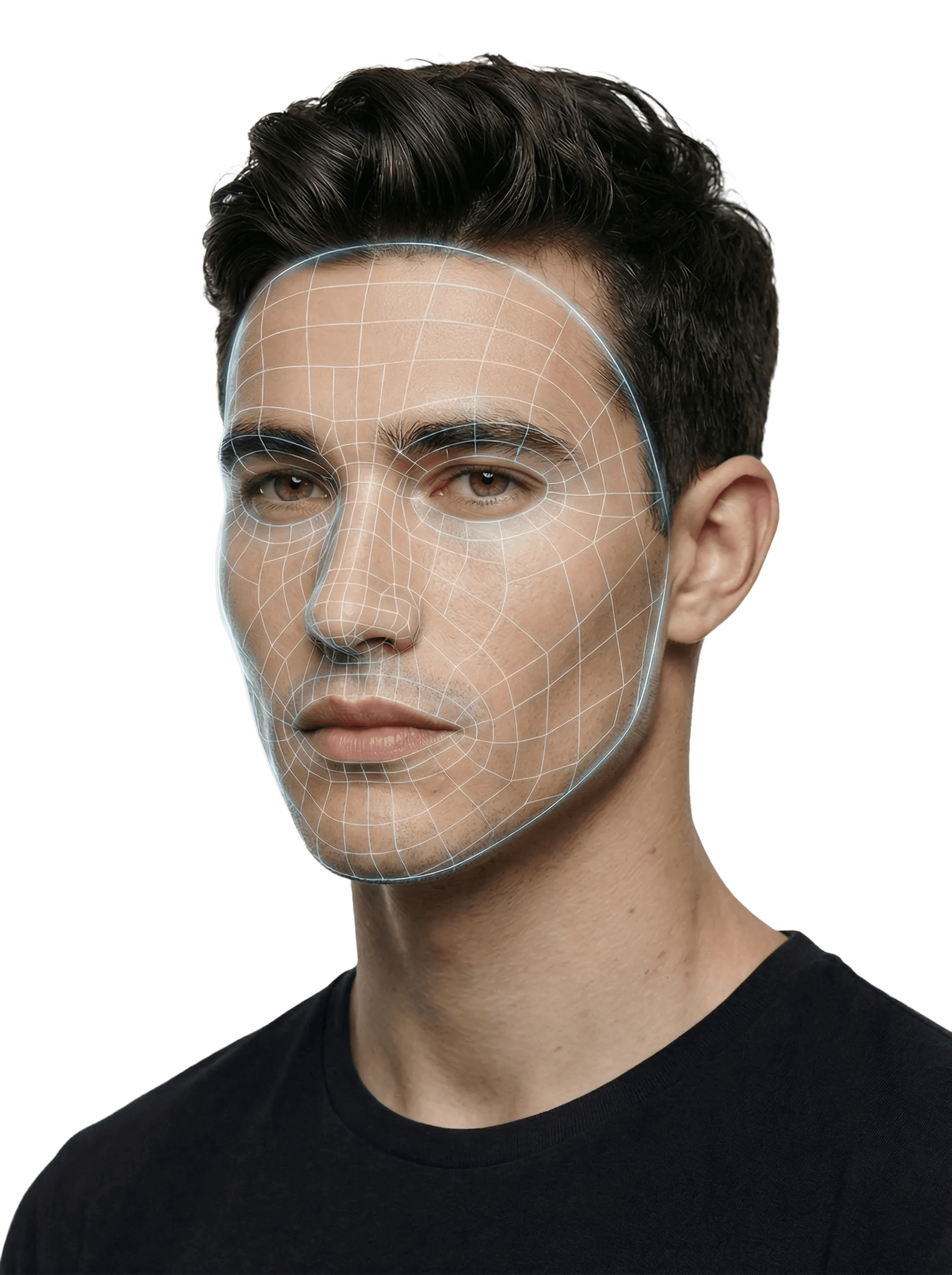
An age guessing tool estimates your apparent age (how old you look) by analysing visible facial cues. Both human observers and AI algorithms rely on similar sets of signals:
Skin texture and wrinkles: Fine lines, crow’s feet and deep creases around the mouth are classic markers of ageing. Digital removal of wrinkles and sagging skin has been shown to make faces look younger (source: Colour information biases facial age estimation and reduces inter‑observer variability).
Pigmentation and evenness: Uneven skin tone, age spots and redness cue higher age, while even, radiant skin signals youth and health (source: Colour information biases facial age estimation and reduces inter‑observer variability). Sun exposure accelerates both uneven pigmentation and wrinkling.
Facial fat and structure: Changes in facial adiposity and bone structure—such as increased facial fullness or sagging—affect perceived age. Weight loss that sharpens jawlines can shave years off appearance.
Eyes and lips: The area around the eyes and lips is especially telling. Studies show that lip volume and redness decrease significantly with age, while changes in eye shape and sclera colour help people judge age (source: Colour information biases facial age estimation and reduces inter‑observer variability).
Hair colour and greying: A 2025 psychological study manipulated hair colour and found that faces with grey hair were perceived as older and less attractive, and men judged grey‑haired faces as less trustworthy (source: Gray hair influences perceived age and social perceptions).
Modern AI age estimators detect these patterns from photos and map them to a numerical age. However, the tools can’t fully account for lighting, camera quality or subtle lifestyle factors, so results should be interpreted as approximations rather than exact measurements. For a more detailed breakdown beyond a single number, consider an ai face analysis which assesses multiple facial attributes in relation to age perception.
For example, our ai face analysis provides a multi‑attribute assessment of your facial structure, skin and proportions, helping you understand how various features influence perceived age.
Human vs. AI Age Estimation: Biases and Accuracy
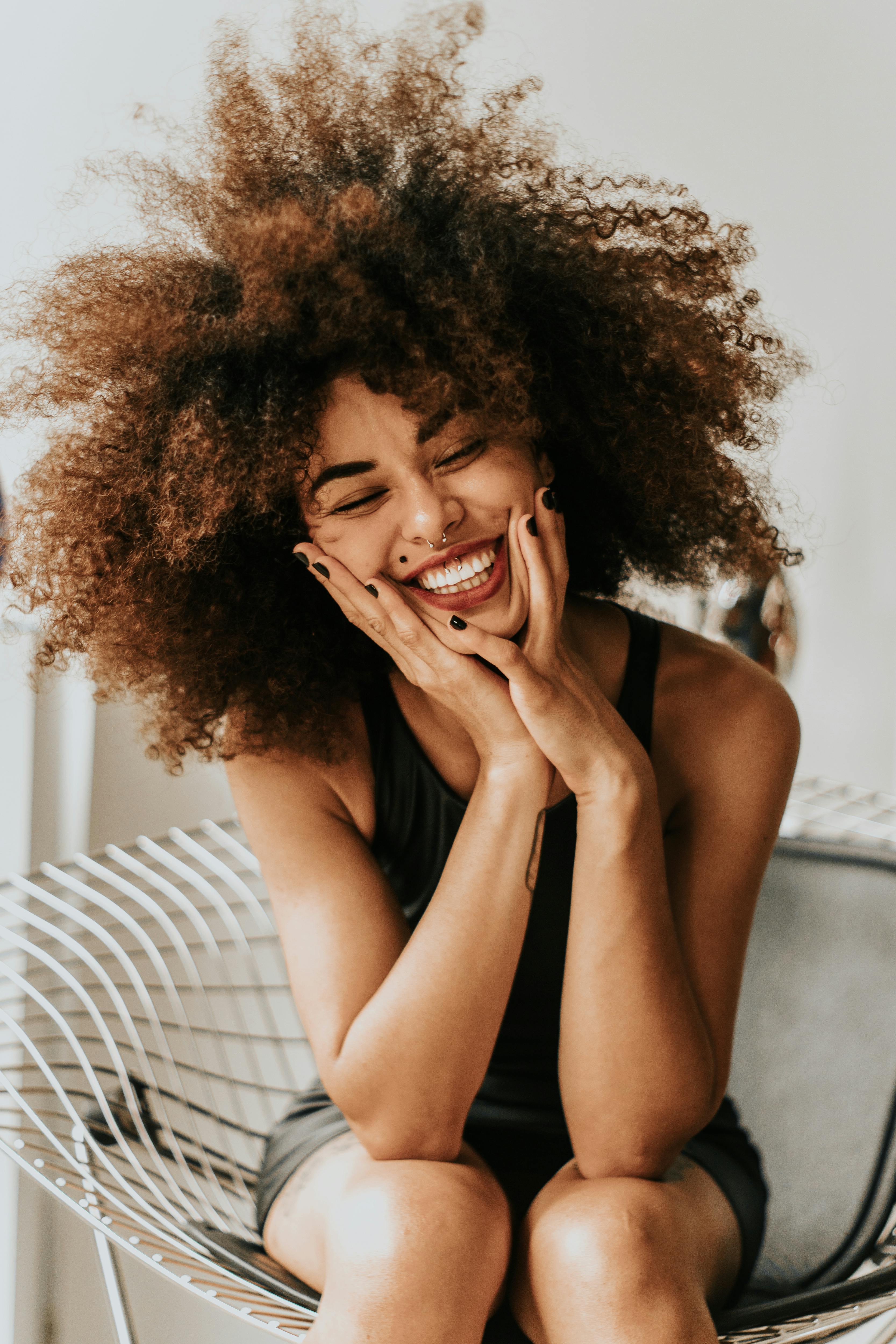
Age guessing isn’t foolproof — for humans or machines. Research comparing human observers with AI models reveals systematic biases. In a large study using over 200,000 photographs, humans tended to overestimate the age of people in their 20s and 30s and underestimate the age of older adults, partly because our brains regress judgments toward an “average” age (source: Biases in human perception of facial age are present and more exaggerated in current AI technology). Smiling faces were judged as older because smile‑related eye wrinkles signalled ageing, and this “age‑increasing effect” diminished for older adults.
The same study found that AI models were even less accurate and more biased than human raters. Algorithms overestimated the age of smiling faces more than humans and showed sharper declines in accuracy for older subjects, particularly women and people with darker skin tones. AI estimators also exhibit a form of “regression to the mean”: they tend to overestimate young adults and underestimate older adults (source: Biases in human perception of facial age are present and more exaggerated in current AI technology).
Because of these biases, it’s best to use an ai age guesser as a comparative tool rather than a definitive verdict. Taking multiple photos in good lighting, with a neutral expression, can improve consistency. If you want to see how your perceived age compares in different contexts (e.g., formal vs. casual, with and without makeup), experiment with an age detector to understand how presentation changes perceptions.
Why Age Estimation Can’t Be Perfect
Even the most advanced AI can’t achieve 100% accuracy in age guessing because faces age differently. A digital identity company notes that age estimation accuracy is highest for teenagers and declines with older age groups, primarily due to greater variation in lifestyle factors among adults (source: How accurate can facial age estimation get?). Lifestyle and environmental influences — smoking, alcohol consumption, sun exposure and chronic stress — accelerate facial ageing, making two people of the same age look years apart. Facial expression is another wild card; happy expressions tend to make faces look younger, whereas negative expressions can add years.
In other words, an AI age estimate can only detect patterns it was trained on; it can’t incorporate your lifestyle history, emotional state or cultural cues. That’s why age from photo tools should be viewed as an informative feedback loop rather than a fixed label. Use your score as guidance and track improvements over time rather than fixating on a single number.
Factors That Influence How Old You Look
Understanding which factors affect perceived age can help you prioritise changes. Evidence points to several controllable domains:
Sun protection and skin health: Uneven pigmentation and wrinkling from sun exposure make faces look older. Use SPF daily, wear hats and invest in gentle exfoliation and hydration. Clearing acne and improving texture also pays off because skin clarity strongly influences age and attractiveness.
Lifestyle habits: Smoking, excessive alcohol and chronic stress accelerate facial ageing by damaging collagen and elastin, causing sagging and dullness. Reducing these habits slows the visible ageing process.
Body composition: Extra body fat — especially around the face — can make you look older by softening contours and creating jowls. Conversely, extremely low body fat can hollow out the face and emphasise wrinkles. Aim for balanced weight loss and muscle maintenance to keep your face youthful.
Hair and grooming: Greying hair adds years and may influence perceptions of trustworthiness (source: Gray hair influences perceived age and social perceptions). Dyeing hair or choosing flattering cuts can adjust perceived age. Well‑groomed beards and haircuts can enhance jaw definition and draw attention away from ageing features.
Colour and facial contrast: Increasing red‑green contrast in facial features — think healthy lip colour and defined eyes — makes faces look younger. Makeup can strategically enhance these contrasts, and certain skincare products can brighten dull complexions.
Facial expressions and posture: Neutral or slightly positive expressions tend to result in younger age estimates, while frowning or pronounced smiling wrinkles can age you. Good posture and head positioning also affect perceptions.
If you’re unsure which factors matter most for you, an ai age guesser and face age test combination can pinpoint specific domains to target.
Are “Guess My Age” Apps Accurate?
Guess‑my‑age apps are fun but not infallible. Their accuracy depends on the diversity and quality of training data, the lighting and expression in your photo and your actual age range. Research indicates that AI estimators are most accurate for younger age groups and struggle more with older faces. They also inherit biases from their training datasets, which may not fully represent older adults or ethnic minorities. Practical advice:
Use multiple photos: Different angles and lighting conditions can produce different estimates. Averaging results gives a more reliable sense of your perceived age.
Check across tools: Try an ai age guesser, a face age test and a simple age detector to see if results converge. Significant differences may highlight expression or lighting issues rather than true age perception.
Treat scores as feedback: Don’t obsess over a single number. Use the data to guide improvements — for example, if all apps peg you as five years older, focus on the factors discussed above.
How to Look Younger: Evidence‑Based Tips
While you can’t stop time, you can slow the visible signs of ageing. Here are practical steps drawn from research on age perception:
1. Improve skin tone and texture. Uneven skin tone and wrinkles are strong age markers. Use sunscreen daily, moisturise, and consider retinoids or antioxidant serums for collagen support. Avoid smoking and manage alcohol intake. Regular sleep and hydration help skin repair and retain elasticity.
2. Maintain balanced weight and muscle tone. Moderate weight loss can sharpen facial contours, but extreme diets may hollow the face and emphasise wrinkles. Pair weight management with resistance training to maintain muscle and avoid a gaunt appearance.
3. Frame your face with hair and grooming. Covering or blending grey hair can make you appear younger, and thoughtful hairstyles can balance facial proportions. Men can use facial hair to add definition or camouflage sagging; women can use makeup to enhance facial contrast and lip colour.
4. Optimise colour contrast. Studies show that increased red‑green contrast and lip redness make faces appear younger. Lip balm or a hint of colour, and subtle eyeliner to emphasise eyes, can refresh your look without dramatic changes.
5. Adjust your expression and posture. A neutral or gentle smile avoids deepening expression lines. Stand tall and keep your neck elongated; slouching can create neck wrinkles and sagging jowls.
For a personalised plan that prioritises what will make you look younger fastest, consider a facial feature analyzer that ranks issues by impact and suggests realistic next steps.
How to Use Age Guessing Tools Effectively
1. Establish a baseline. Take a straight‑on photo in even lighting, with a neutral expression and natural appearance (no filters). Use an AI age estimator to get your starting perceived age.
2. Cross‑validate with other tools. Don’t rely on a single app. Compare results from our face age test, an ai age guesser and a third‑party age detector to see whether the numbers align.
3. Track changes over time. Re‑test periodically as you implement lifestyle or skincare changes. Watching your perceived age decrease is motivating and helps you adjust your routine. Tools like age from photo can show progression across months.
4. Use results for prioritisation. If your perceived age is consistently higher than your chronological age, focus on the high‑impact factors outlined above. If scores fluctuate widely, review your photo quality and expressions.
Conclusion: Knowing Your Perceived Age Empowers Change
“Guess my age” challenges may start as curiosity, but they reveal meaningful information about how you present yourself to the world. Perceived age influences how healthy, capable and attractive you appear. Research shows that people and algorithms alike use cues like wrinkles, pigmentation, lip volume, facial contrast and grey hair to infer age, and that age estimation accuracy declines for older subjects and varies across expressions and demographics. AI tools provide a convenient reference point, but they are subject to biases and can’t replace holistic self‑assessment.
The good news is that most of the factors influencing perceived age are modifiable. By protecting your skin, managing body composition, adjusting hair and colour contrast, and refining your expression and posture, you can often look years younger. Age‑guessing apps and objective assessments like our face age test or ai age guesser serve as mirrors that reveal where to start. Use them wisely, and you’ll gain both insight and control over how old you look.