



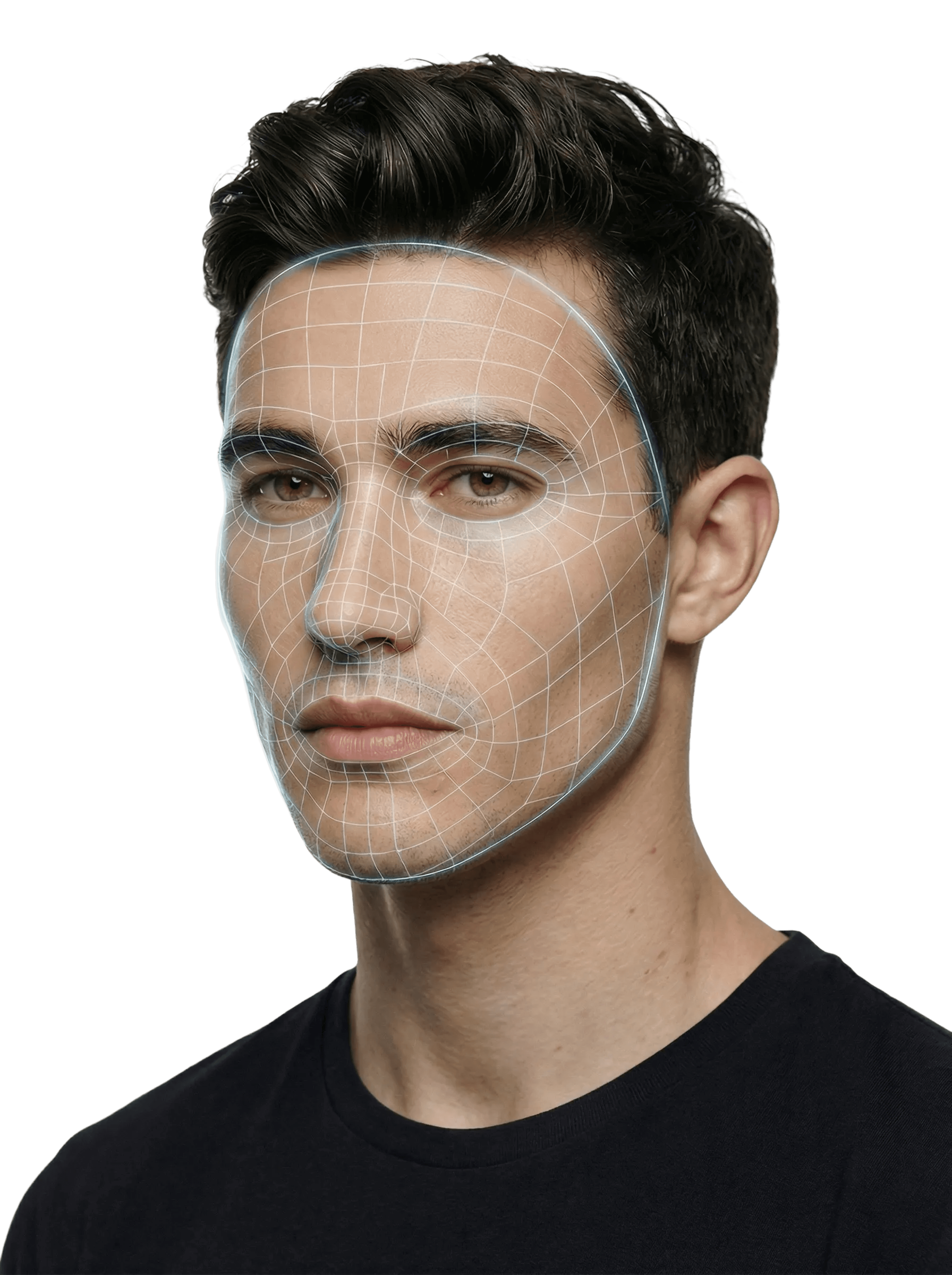
What Color Are My Eyes? Find Your Eye Color From a Photo
Not sure what color your eyes are? Upload a clear selfie or close-up eye photo to our Eye Color Detector to estimate your iris color and see a palette of shades extracted from your photo.
You can also compare your eyes with the eye color chart below to tell whether they look brown, blue, green, hazel, gray, or amber. Use natural, even lighting and avoid filters or colored contacts.
Eye color is only one feature of your eyes. You can also identify your eye shape to learn more about your eye features.
What color are my eyes?
Upload a selfie or a close-up eye photo to get an estimated eye color and a palette sampled from your iris.
Upload your photo
Use natural, even light. Avoid filters and colored contact lenses.
Your photo is processed in this browser.
How to Use the Eye Color Analyzer
Our eye color analyzer estimates your iris color from a selfie or close-up eye photo. It also extracts a palette of shades from the selected area, including HEX color codes. Lighting, photo quality, and iris selection can affect the result.
Upload a photo. Click Upload a photo and choose a selfie or close-up eye picture taken in natural light.
Find your iris. The tool will try to detect it automatically. If it cannot, click Select iris manually to locate your eye in the photo.
Adjust the selection. On the enlarged image, move the orange circle over your iris and resize it to match the outer edge of the colored area.
Analyze your eye color. Click Analyze eye color. The detector analyzes pixels in the selected region.
View your result. See your estimated eye color, a palette of extracted shades, and their HEX codes.
The result is an estimate, not an exact measurement. Lighting, image quality, and how accurately you select the iris can affect the detected color.
What Eye Color Do I Have? Eye Color Chart
You can identify your eye color by comparing the dominant shade of your iris with the six categories used in our detector: brown, blue, green, hazel, gray, and amber. Look at your eyes in natural, even lighting and pay attention to colors across the iris, not just the ring around your pupil.

Eye color | What to look for |
|---|---|
Brown | Light to very dark brown tones throughout most of the iris. Dark brown eyes may look almost black in low light. |
Blue | A predominantly blue or blue-gray appearance, sometimes with a darker outer ring. |
Green | A predominantly green appearance, sometimes with golden or brown flecks near the pupil. |
Hazel | A mixture of green, gold, and brown, often with differences between the inner and outer iris. |
Gray | A mostly gray or silvery appearance that may have a blue or green cast in some lighting. |
Amber | A relatively uniform golden, copper, or yellow-brown appearance rather than a green-and-brown mixture. |
These are practical categories, not sharp biological boundaries. A review of iris color classification describes the variation between classification systems. A golden ring around the pupil does not automatically make eyes hazel, and a dark outer ring does not change the main color.
Eye color is influenced by multiple genes and iris pigmentation, as explained by MedlinePlus Genetics. Learn more about eye color as a phenotype.
How to Tell Your Exact Eye Color
If you cannot tell what your eye color is, look at how colors are distributed across your iris rather than judging only the overall shade. Mixed colors and lighting can make green, hazel, gray, and amber eyes difficult to distinguish. Compare the inner iris near the pupil with the outer iris in an unfiltered photo taken in even daylight.
Hazel vs. Green Eyes
Green eyes have a predominantly green appearance, although they may contain golden or brown flecks. Hazel eyes typically show a more noticeable mixture of green, gold, and brown, sometimes with a brown or amber area around the pupil.

How to tell: Look at the outer iris. If most of it appears green with only small golden flecks, green may be the better description. If brown and gold occupy substantial areas alongside green, hazel may be a closer match. There is no universal cutoff between the two.
Gray vs. Blue Eyes
Blue eyes usually have a more recognizable blue appearance, while gray eyes tend to look silvery, slate-colored, or less saturated. Both can appear different depending on lighting and surrounding colors.

How to tell: Compare your eyes in neutral daylight. If the iris consistently appears silvery or slate-gray rather than distinctly blue, gray may be the closer match. A blue-gray iris can fall between these categories.
Amber vs. Light Brown Eyes
Amber eyes have a predominantly golden, copper, or yellow-brown appearance. Light brown eyes generally look more brown overall, even when they contain warm golden tones.

How to tell: If the iris appears consistently golden or honey-colored, amber may be the better description. If brown is dominant, light brown may fit better. The image compares amber with a brown example; it illustrates the warm-color difference, not a strict boundary between amber and light brown.
Black vs. Dark Brown Eyes

Very dark brown eyes can appear black in dim lighting. Check your iris in bright, indirect daylight and look for brown tones in a properly exposed close-up photo. Avoid shining a bright light or camera flash directly into your eyes. In everyday color classification, eyes that look black are generally described as very dark brown.
What If My Iris Has Two Different Colors?
Some eyes have a distinct ring around the pupil or patches of another color within the iris. These patterns may be described as central or sectoral heterochromia. An eye color detector may capture the dominant color without fully describing the pattern. If the appearance is new or has changed noticeably, seek an eye care professional’s assessment.
Why Does My Eye Color Look Different in Photos?
Lighting, camera settings, and reflections can change how your iris appears in photos. A gray-blue iris might look bluer in cool daylight, while hazel eyes can look more golden under warm indoor lighting. This does not necessarily mean the pigmentation of your iris has changed.
Lighting and White Balance
Warm light can emphasize golden and brown tones, while cool light may emphasize blue or gray. Automatic white balance can also shift colors as a phone corrects the lighting. Use even, indirect daylight and avoid strong shadows or colored lights.
Camera Exposure and Filters
Phone cameras adjust exposure, contrast, and sometimes saturation or sharpness. Beauty filters and editing can change the appearance further. For an eye color scanner, upload an original, unfiltered photo whenever possible.
How to Take a Better Eye Color Photo
Face a window. Use soft, indirect daylight instead of direct sun or flash.
Keep your eye in focus. Make sure iris patterns are clearly visible.
Avoid filters and colored contacts. Both alter the captured colors.
Keep reflections small. Change your position if a bright reflection covers the iris.
Try another photo. If the result seems wrong, take a second picture under similar lighting.
How Accurate Is an AI Eye Color Detector?
An AI eye color detector estimates iris color from pixels in a photograph. The result depends on the visibility of the iris, selection of the correct area, and lighting. It cannot guarantee an exact match to how your eyes appear in person.
Hazel and green, or blue and gray, may overlap because color categories do not have universally agreed boundaries. If your result seems inaccurate, adjust the iris selection and try another unfiltered photo. Compare the result with the eye color chart rather than relying on a single scan.
Eye Color Test FAQ
How Can I Identify My Eye Color?
Look at your iris in natural, even daylight and compare its dominant shade with an eye color chart. You can also upload a clear photo to an online eye color detector.
Can I Check My Eye Color Online From a Photo?
Yes. An online eye color analyzer can estimate your color from a selfie or close-up photo. Use an unfiltered image with a clearly visible iris. The result is approximate.
Is My Eye Color Black or Dark Brown?
Eyes that appear black are usually very dark brown. In indirect daylight, brown tones may become more visible. Avoid shining a bright light into your eyes.
Why Can’t I Tell What My Eye Color Is?
Your iris may contain several shades or fall between categories such as green and hazel or blue and gray. Compare unfiltered photos in consistent lighting.
Can My Eye Color Change Over Time?
Eye color can change in early childhood as iris pigmentation develops. Noticeable changes in adulthood are less common. Have a new or persistent change assessed by an eye care professional.
Can DNA Tell You Your Eye Color?
Several genes influence eye color, so DNA-based predictions can suggest likely categories but do not always identify the exact visible shade. Looking at your iris is more useful for describing its current appearance.