

Do I Have Hooded Eyes? How to Tell With Photos
ou may have hooded eyes if a fold of skin from beneath your brow covers part or all of your upper eyelid crease when your eyes are open. The easiest way to check is to look straight into a mirror with your eyebrows relaxed and see how much of your movable upper eyelid is visible.
Hooded eyelids can be subtle, partially hooded, or more pronounced. They can also overlap with other eye shapes. If you're unsure what the fold looks like, see our guide to hooded eyes for more examples.
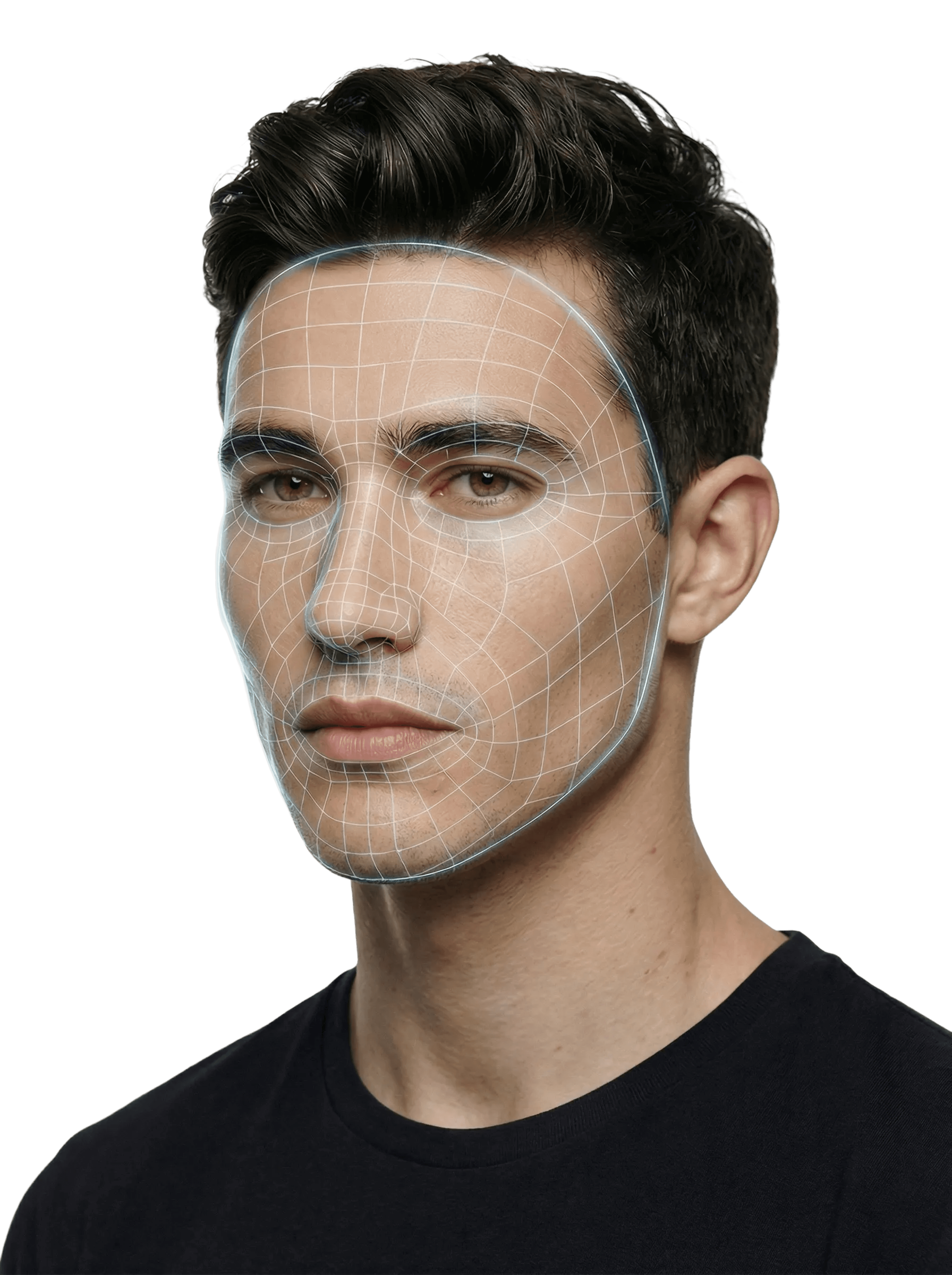
Eye shape is only one aspect of facial appearance. If you're interested in how your features are assessed together, our attractiveness test explains what an AI-generated score can and can't tell you.
Do I Have Hooded Eyelids? Take the Quick Test
You don't need special tools or makeup to check for hooded eyes. Stand in front of a mirror at eye level, with even lighting on your face. Keep your head straight, relax your eyebrows, and look directly at your reflection. Then follow these four checks.
Relax your eyebrows. Look straight ahead without raising your brows or widening your eyes. Lifting your eyebrows can temporarily expose more of your upper eyelid.
Find your eyelid crease. Look for the natural fold above your upper lashes. Is it fully visible, partly hidden, or covered by skin from above?
Check your visible lid space. With your eyes open, look at the skin between your upper lash line and the fold above it. If much of that space is hidden beneath an overhanging fold, your eyes may be hooded.
Check both eyes separately. One eyelid may have a more noticeable hood than the other. You don't need perfectly matching eyelids to have hooded eyes.
What Your Answers Mean
If skin covers most of your crease and movable lid, you may have pronounced hooding. If it covers only part of the crease, including just the outer corners, you may have partial hooding. If your crease and most of the movable lid remain visible, there may be little or no hooding.
Not sure? Compare the examples immediately below. A crease that is difficult to identify, or eyes that appear recessed, may need a closer comparison with monolid and deep-set eyes. This is a visual self-check, not a medical diagnosis.
What Do Hooded Eyes Look Like? Photos and Examples

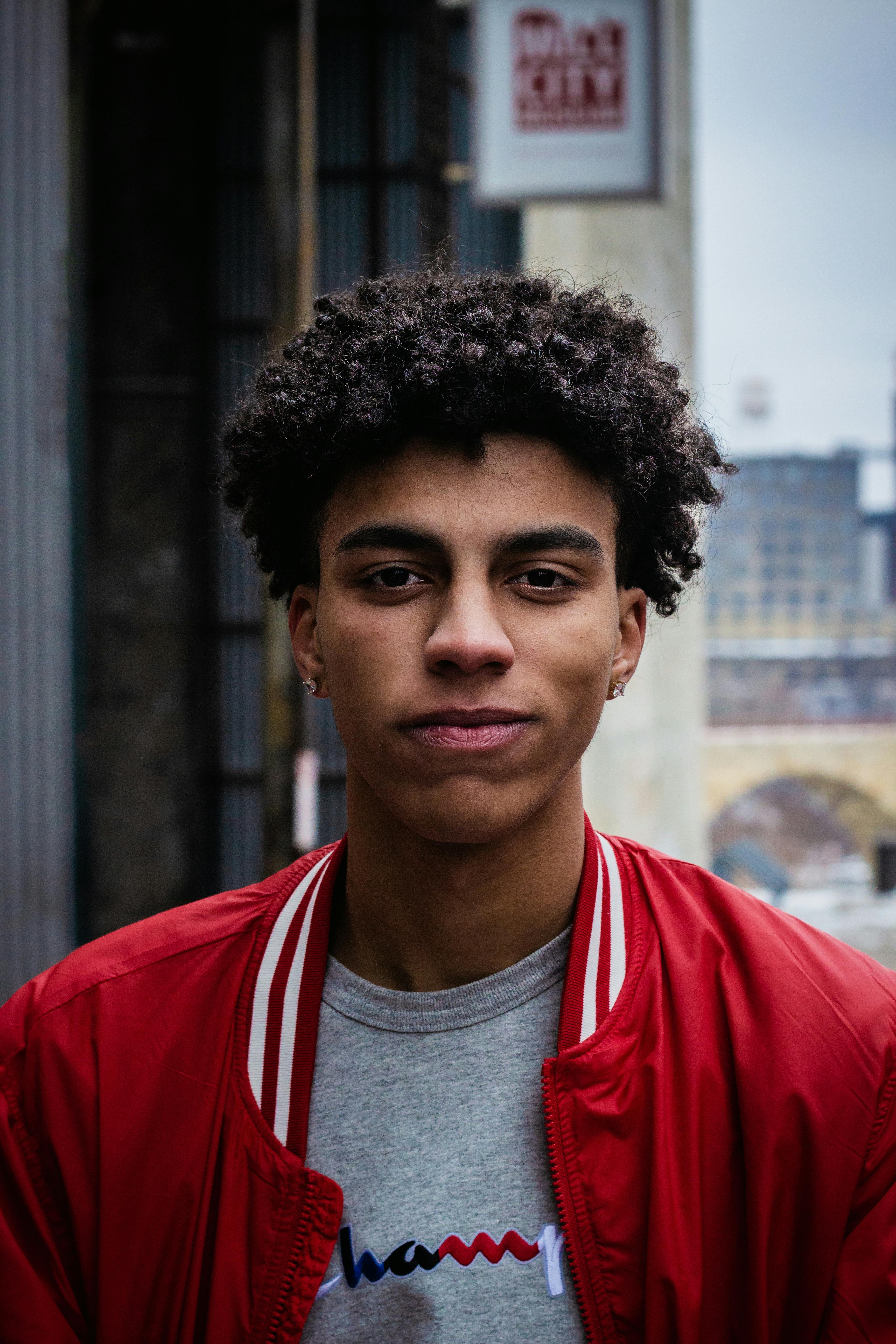
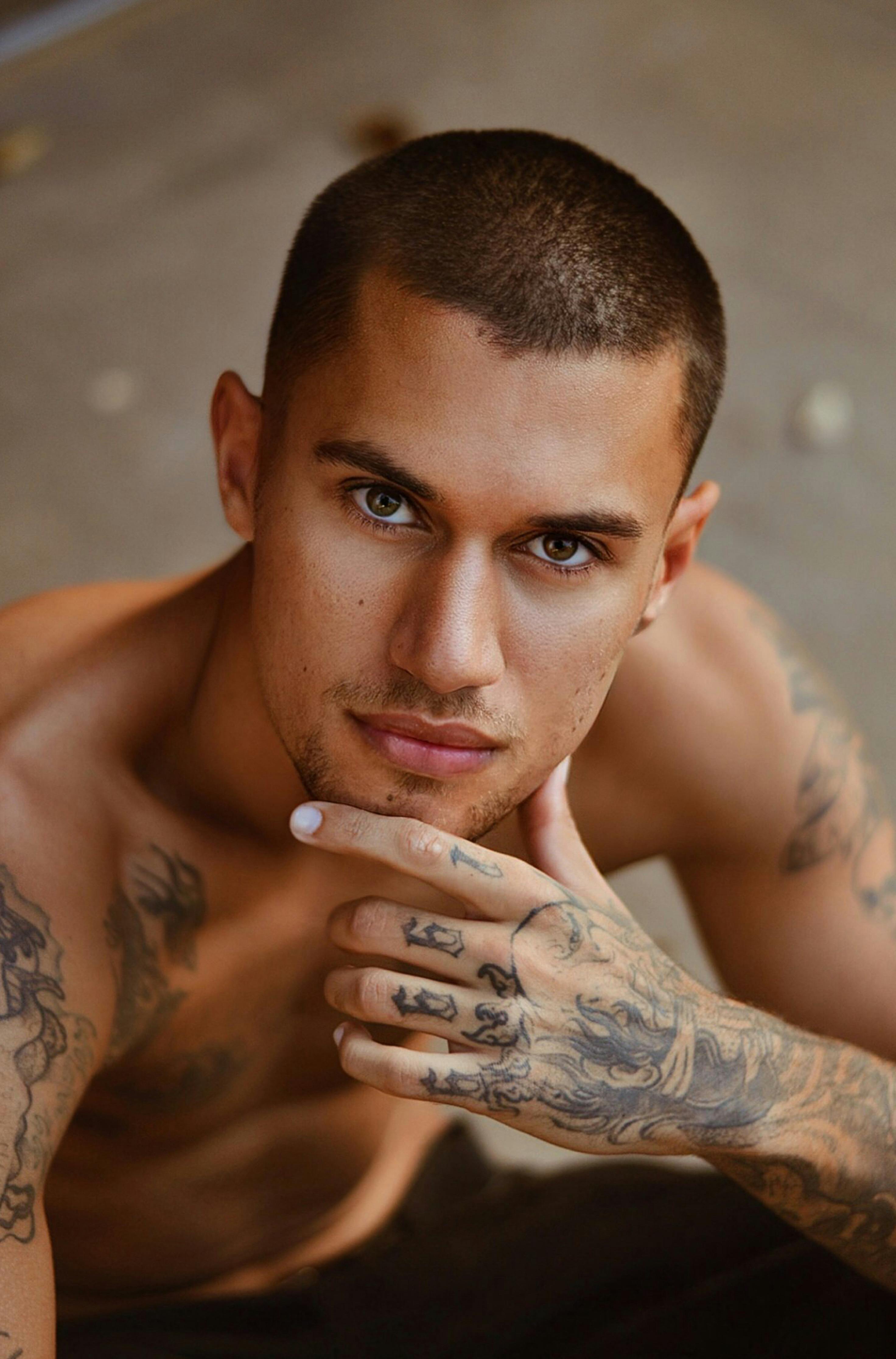
Use the same relaxed, straight-ahead gaze when comparing your eyes with these examples. Outer-corner hooding is a form of partial hooding, not a separate eye shape.
How to Read the Photos
Fully hooded: Most of the movable lid is hidden.
Partially hooded: Some lid space remains visible.
Outer-corner hooded: The overlap is concentrated near the outside of the eye.
Non-hooded: The crease and much of the movable lid are visible.
One eye can also have more hooding than the other. Check each side separately rather than expecting perfect symmetry.
Hooded vs Monolid vs Deep-Set Eyes: How to Tell the Difference
Hooded eyes have skin that overlaps the upper eyelid crease, while monolids lack a clearly defined upper eyelid crease. Deep-set eyes appear farther back beneath the brow bone. These features describe different aspects of the eye area, so you can have deep-set and hooded eyes at the same time.
Eye type | What to look for | How to tell |
|---|---|---|
Hooded eyes | A fold of skin overlaps part or all of the upper eyelid crease | Look for skin covering the movable lid when your eyes are open |
Monolid eyes | No clearly defined upper eyelid crease | The crease is absent or not visibly distinct, rather than hidden beneath an overhanging fold |
Deep-set eyes | Eyes appear recessed beneath a prominent brow bone | Look at the apparent depth of the eyes relative to the brow, not just the amount of visible eyelid |
Non-hooded eyes | The crease and much of the movable lid remain visible | There is no prominent skin fold overlapping the crease |

Can You Have Hooded and Deep-Set Eyes?
Yes. Hooding describes the skin fold; deep-set describes apparent eye depth. If your eyes look recessed, check your profile as well as your reflection from the front. With your head level, compare how far the eyes appear to sit behind the brow and cheekbone contours. A frontal photo alone cannot establish eye depth.
What If You Can't See Your Eyelid Crease?
A crease may be hidden by overlapping skin or may not be clearly defined in the first place. Compare the second image chart rather than assuming that every hard-to-see crease means hooding.
Why Your Eyes Might Look Hooded When They Aren't
Your upper eyelids can look more or less hooded depending on your brow position, camera angle, and temporary puffiness. A single selfie isn't always enough to identify your natural eyelid structure. For a more consistent comparison, look at both eyes in a mirror with your face relaxed.
Raised Eyebrows Can Hide Hooding
When you raise your eyebrows, the skin above your eyelids moves upward, exposing more of the movable lid. This can make naturally hooded eyes appear less hooded.
Repeat the test without lifting your brows or opening your eyes unusually wide.
Camera Angles and Lighting Can Change What You See
A photo taken from above or below eye level can change how much of your upper eyelid appears visible. Shadows from overhead lighting may also make the crease look deeper or less noticeable.
Use a straight-on photo in even lighting if you want to compare your eyes with the examples in this guide.
Temporary Puffiness Can Make Your Eyelids Look Heavier
Swelling around the upper eyelids can temporarily change the appearance of the skin folds. If your eyes look different than usual, wait until the puffiness has settled before comparing your natural eye shape.
Persistent or unexplained eyelid swelling should be assessed by a healthcare professional.
Hooded Eyes vs Ptosis: Know the Difference
Hooded eyes describe skin overlapping the upper eyelid crease. Ptosis is different: the upper eyelid margin itself sits abnormally low and may cover part of the pupil. Both conditions can occur together, and a mirror test cannot reliably distinguish them in every case.
The American Academy of Ophthalmology explains why ptosis must be distinguished from excess eyelid skin and brow drooping.
If an eyelid suddenly droops, particularly with double vision, a severe headache, or other new neurological symptoms, seek emergency medical care.
FAQ
Can you have hooded eyes without realizing it?
Yes. Hooding can be subtle, especially when it affects only the outer corners or part of the upper eyelid. You may notice it only when comparing your eyes with photos of partially hooded eyelids.
Are hooded eyes rare?
Hooded eyes are a natural variation in eyelid appearance. Their frequency is difficult to summarize with a single percentage because definitions and degrees of hooding vary between studies and populations.
Can you have hooded almond eyes?
Yes. Almond describes the outline of the eye opening, while hooded describes how skin overlaps the upper eyelid. You can have both features at once.