



What Is Ethnicity? Definition, Meaning and Examples
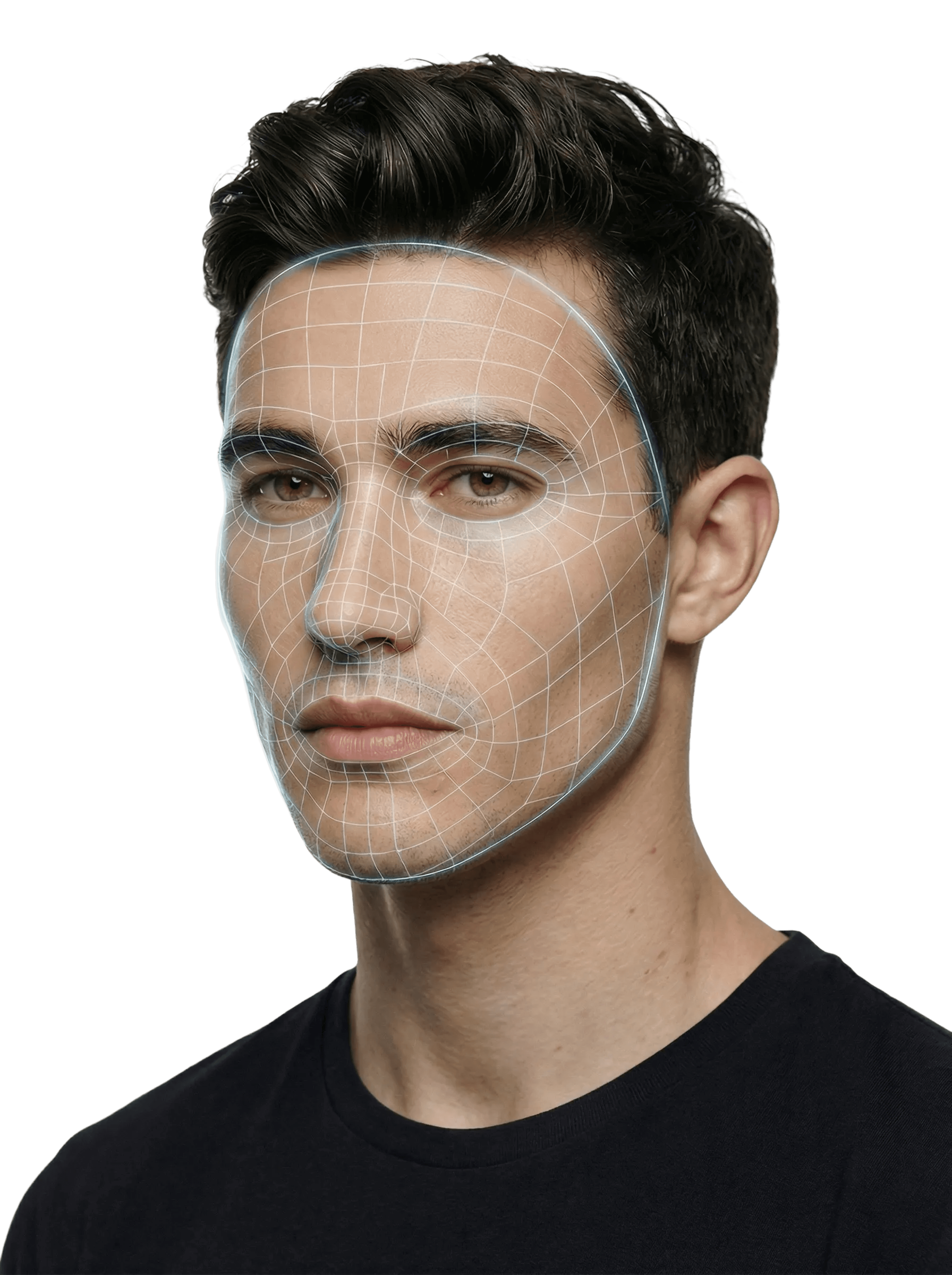
Ethnicity is a person's membership in a group that shares ancestry, culture, language, history or traditions. It is mostly about identity and heritage, and it is usually self-reported. It is different from race and from nationality, and a face or a photo can't show it.
This guide gives the ethnicity definition and meaning, real examples, and short answers to the questions people search most: whether Mexican, American or White counts as an ethnicity, and what to put for ethnicity on a form in the US. For the full overview of the topic, see our complete guide to ethnicity.
If you found this while researching your looks, here is the part that matters: ethnicity is about heritage and identity, not appearance quality, and it isn't a score. The attractiveness test covers what a face scan can measure instead, such as symmetry and proportions.
What Is Ethnicity? Definition
An ethnicity is a group of people who share history, heritage, language, religion, customs and beliefs, and ethnicity is the identity that comes with belonging to that group. It is a social category, not a biological one: the National Human Genome Research Institute states that ethnicity is not a biological characteristic.
People choose how they want to be identified, so ethnicity is largely self-reported. Two people can share a skin tone and have different ethnicities, or look different and share one.
Ethnicity Meaning: What Makes Up an Ethnic Identity
In everyday use, ethnicity means what a group has in common and the sense of belonging that comes with it. The usual building blocks are:
Ancestry and heritage: family origins, often tied to a shared homeland or region.
Language: a mother tongue, or a language the group uses at home and in community life.
Religion and beliefs: shared faith or values passed down in the group.
Customs and traditions: food, music, holidays, clothing, family habits.
Shared history: migration, a homeland, a story the group tells about itself.
Self-identification: the person's own sense of belonging to the group.

No single item is required. A group can share ancestry without a shared language, and one language can be spoken by several ethnic groups.
A person can also belong to more than one ethnic group. US federal standards for race and ethnicity data, for example, let people select as many categories as apply.
Ethnicity Examples
Common examples of ethnicity include Irish, Han Chinese, Navajo, Yoruba, Basque and Mexican American. Each is defined by shared ancestry, language, traditions or history, not by physical appearance.
Ethnic group | What the group shares |
|---|---|
Irish | Ancestry from Ireland, a shared history and cultural traditions |
Han Chinese | Varieties of Chinese with a shared written language, a shared history and cultural traditions |
Navajo | A Native American nation with its own language (Diné Bizaad) and tribal identity |
Yoruba | The Yoruba language and culture, rooted in West Africa |
Basque | The Basque language (Euskara) and a homeland in northern Spain and southwestern France |
Kurdish | Language and culture shared across several countries, including Turkey, Iraq, Iran and Syria |
Mexican American | Mexican ancestry and heritage, lived within the United States |
These are examples, not a complete or ranked list: there are far more ethnic groups than any table can show. Broad labels such as Hispanic or Asian also cover many separate ethnic groups with different languages and histories.
Is Mexican, American or White an Ethnicity?
Mexican is a national and ethnic identity, not a race. American refers to the United States. White is a broad category in US data, not a single ethnic group. The US standards behind these labels changed in 2024, which is why the answers can look different on older and newer sources.
Is Mexican a race or an ethnicity?
Mexican is a nationality (citizenship or birth in Mexico) and, for many people, an ethnic identity based on Mexican ancestry and culture. It is not a race. Under the older 1997 federal standard, the Census Bureau treated Hispanic origin as ethnicity, separate from race, and people of Hispanic origin could be of any race. The 2024 update makes Hispanic or Latino one of seven categories in a single combined question.
Is American an ethnicity?
American refers to the United States. Labels such as Mexican American or Irish American combine it with an ethnic background.
Is White an ethnicity?
White is a broad category used in US data, not a single ethnic group. People who select it can have very different ethnicities, such as Irish, Polish or Italian. In the 2024 standard it is one of the seven categories in a combined race and ethnicity question.
Ethnicity vs Race vs Nationality
Ethnicity is about shared culture, ancestry and history. Race is a social way of grouping people by perceived physical traits. Nationality is a legal tie to a country. One person can have all three, and they don't have to match.

Term | What it describes | Example |
|---|---|---|
Ethnicity | Shared ancestry, language, customs and history; largely self-identified | Irish, Han Chinese, Navajo |
Race | A social grouping by perceived physical appearance, such as skin color | Categories used on US forms, such as Asian or Black or African American |
Nationality | Citizenship or legal belonging to a country | Mexican, Canadian, Japanese |
A US citizen (nationality) with Irish heritage (ethnicity) might select White on a form (race category). None of the three is a biological measurement: NHGRI says race and ethnicity are social constructs and that biology can't be used to sort people reliably into racial or ethnic groups.
What to Put for Ethnicity on a Form (US)
US forms ask about ethnicity in one of two formats, and the format decides where each answer goes. Answers are based on self-identification: the Census Bureau says responses to its race and ethnicity questions are self-identified and leaves the choice of boxes to the respondent.
Older two-question format (required by the 1997 federal standards):
Question 1, ethnicity: Hispanic or Latino, or not. This is the only thing the ethnicity question asks.
Question 2, race: one or more categories, such as White, Black or African American or Asian.
So on these forms, White goes under race, and a specific group like Irish or Nigerian has no box of its own.
Newer combined format (2024 standards):
One question with seven categories: American Indian or Alaska Native, Asian, Black or African American, Hispanic or Latino, Middle Eastern or North African, Native Hawaiian or Pacific Islander, and White.
People can select as many as apply.
Agencies have until March 2029 to adopt it, and the Census Bureau plans to use it in the 2027 American Community Survey and the 2030 Census, so both formats are in use for now. Forms may not label some categories as ethnicities and others as races.

These categories are reporting labels, not science. The Census Bureau says the standards don't follow any biological, anthropological or genetic criteria.
Can You Tell Ethnicity From Your Face or DNA?
No. A face can't show ethnicity, and a DNA test measures ancestry, not ethnicity.
Face: Ethnicity is a cultural, self-identified identity. Physical traits such as nose or eye shape belong to your phenotype, the observable side of genetics, and they don't map neatly onto an ethnic group. Our guides to phenotype vs genotype and nose shapes and ethnicity go through this in detail.
AI photo tools: A tool that guesses ethnicity from a photo returns a model estimate, not a fact.
DNA: Tests measure genetic ancestry, which describes biological family connections passed down through DNA. NHGRI notes that ancestry categories can end up lining up with social ideas of race and ethnicity. A result can point to where your ancestors likely lived, but your ethnicity stays a matter of identity.
Ethnicity and Looksmaxxing: What It Does and Doesn't Change
Online, ethnicity, race and phenotype often get mixed up in looks discussions. They are three different things, and none of them is a rating.
Ethnicity is not a score. It describes heritage and identity, not how attractive someone is.
Features that run in your family aren't flaws. Skin tone, hair texture and the shape of your eyes or nose are part of your phenotype. They are something to style around, not something to hide.
Rankings of ethnic groups by looks are opinion. NHGRI says race and ethnicity are social constructs, so a tier list built on them isn't a measurement.
What you can actually work on: skin, hair, brows, grooming and style. A face scan like Maxxing's reviews features such as skin, jawline and hair and gives tips for each, as model estimates rather than facts.
FAQ
What are examples of ethnicity?
Irish, Han Chinese, Navajo, Yoruba, Basque, Kurdish and Mexican American are examples. Each is defined by shared ancestry, language, traditions or history, not by physical appearance.
What is the meaning of ethnicity of a person?
A person's ethnicity is the ethnic group or groups they belong to and identify with, based on shared ancestry, culture, language, history or traditions.
How do I define my ethnicity?
Name the group or groups you identify with, such as Irish, Nigerian or Mexican American. It is based on heritage and your own sense of belonging, and it can include more than one group.
How do I know my ethnicity?
Many people start with family history, such as where relatives came from and which languages and traditions are used at home. Your ethnicity is the group or groups you identify with, so it can include more than one. A DNA test can add to the picture by estimating genetic ancestry, but it doesn't settle your ethnicity.
Is your ethnicity your race?
No. Ethnicity is about shared culture and heritage, while race is a social grouping by perceived physical traits. US forms have asked about them in separate questions, though the 2024 federal standard combines them into one.
Do I put White for race or ethnicity?
On older two-question forms, White goes under race, and the ethnicity question only asks whether you are Hispanic or Latino. On newer combined forms, White is one of seven options in a single question.
What do I put for ethnicity on a form?
Answer with how you identify, using the options the form gives you. On older forms the ethnicity question is Hispanic or Latino, or not; on newer forms you select from one combined list and can choose more than one.
Can DNA tell you what ethnicity you are?
No. DNA tests estimate genetic ancestry, which is different from ethnicity. A result can point to where your ancestors likely lived, but your ethnicity stays a matter of identity.
What are the five basic races?
Biology doesn't define a fixed list of races. The 1997 US federal standard listed five race categories: American Indian or Alaska Native, Asian, Black or African American, Native Hawaiian or Other Pacific Islander, and White. The same federal notice says the categories are social and political constructs, not scientific or anthropological classifications. The 2024 update replaced them with the seven combined categories listed above.